x2 832e38

I’ve always been a big believer in grazing food at airports – small servings which people can eat & run or eat as they walk around. Not only does it reduce the amount F&B cuts into the shopping dwell time but it basically encourages people to spend more because you don’t notice a number of smaller purchases.

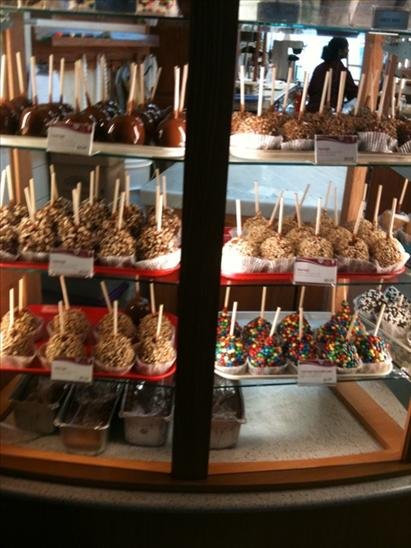
At JFK they sell cakes, confectionary & apples on sticks. Not only do they look positively irrestistable, they’re easy to grab and take to the gate – or take while browsing the shops.

The Cost of Performing Rest

The Cost of Performing Rest

Modern systems have turned rest into something we perform rather than something that restores us. This essay explores why holidays often fail to renew people, how work and the holiday industry reinforce the problem, and what real restoration actually requires.

The New Luxury Signal: Emotional Stability

The New Luxury Signal: Emotional Stability

Luxury resorts used to sell status and spectacle. Now they sell something quieter: relief. Guests arrive overloaded, and the best resorts are redesigning around sensory calm, reduced friction, and emotional steadiness. Modern luxury is less about what you add, and more about what you remove.

When You Can’t Leave: Designing for the Flight Reflex in Airports, Venues, and Hospitals

When You Can’t Leave: Designing for the Flight Reflex in Airports, Venues, and Hospitals

In high-stimulus public spaces, our bodies do more than react – they strategise.
Airports, hospitals, and stadiums all evoke subtle “Flight” responses: scanning, pacing, early exits.
Understanding how threat appraisal drives behaviour can help architects and planners design calmer spaces – and reveal why relaxation, not excitement, predicts dwell, spend, and satisfaction.