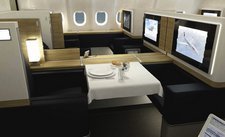
 In the current economic climate, you don’t really expect to see airlines upgrading their First Class offerings.
The new design includes 23″ screens, fold-out tables for work, a full length bed and a touch screen remote.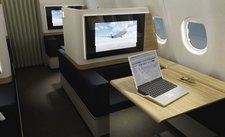
via: Wallpaper
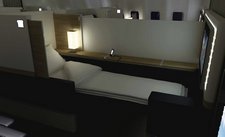
In the current economic climate, you don’t really expect to see airlines upgrading their First Class offerings.
The new design includes 23″ screens, fold-out tables for work, a full length bed and a touch screen remote.
via: Wallpaper
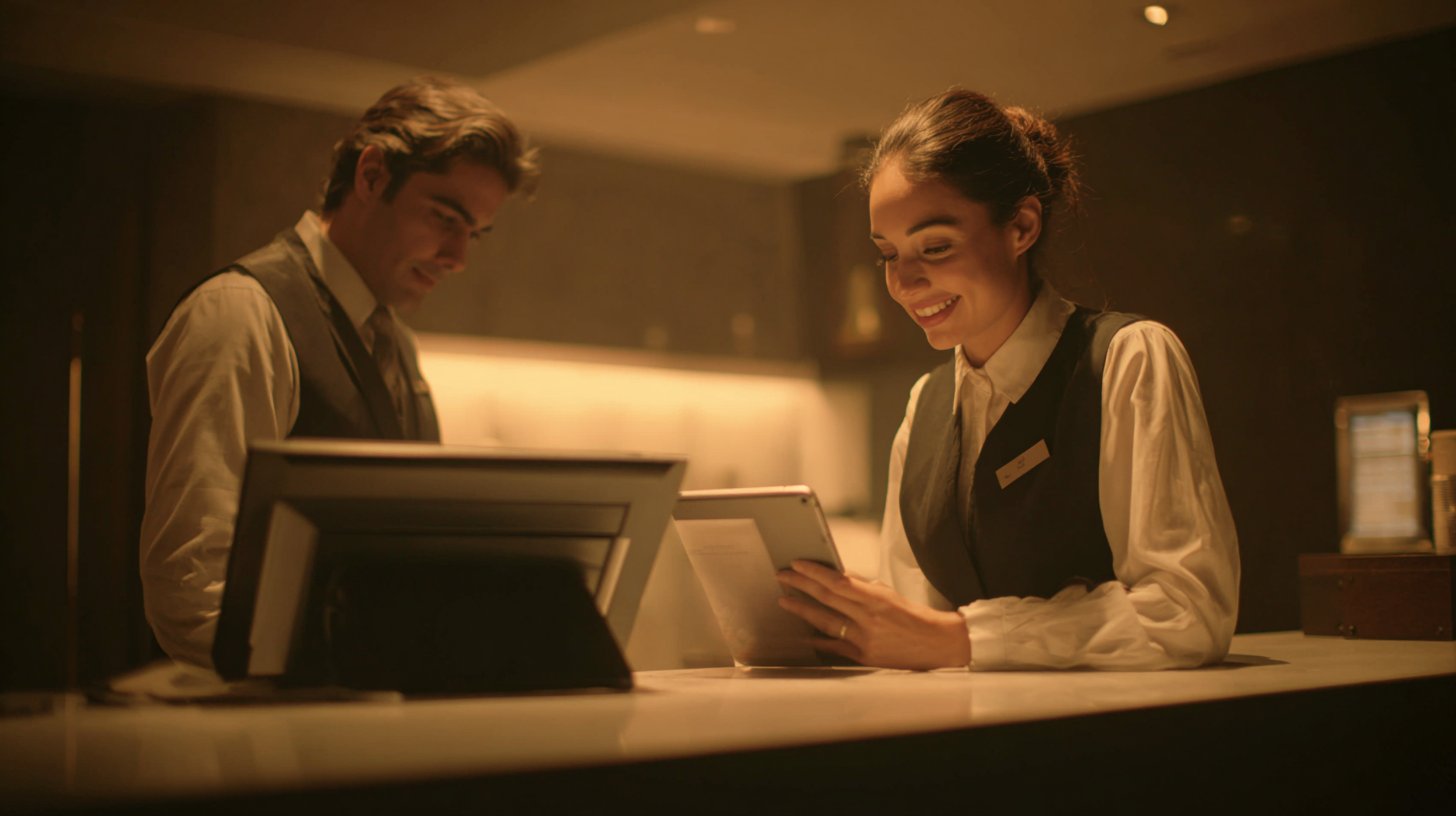
As hospitality automates for efficiency, a critical line is emerging. Explore the hospitality threshold — where frictionless design becomes soulless, and which moments must stay human.

Modern systems have turned rest into something we perform rather than something that restores us. This essay explores why holidays often fail to renew people, how work and the holiday industry reinforce the problem, and what real restoration actually requires.
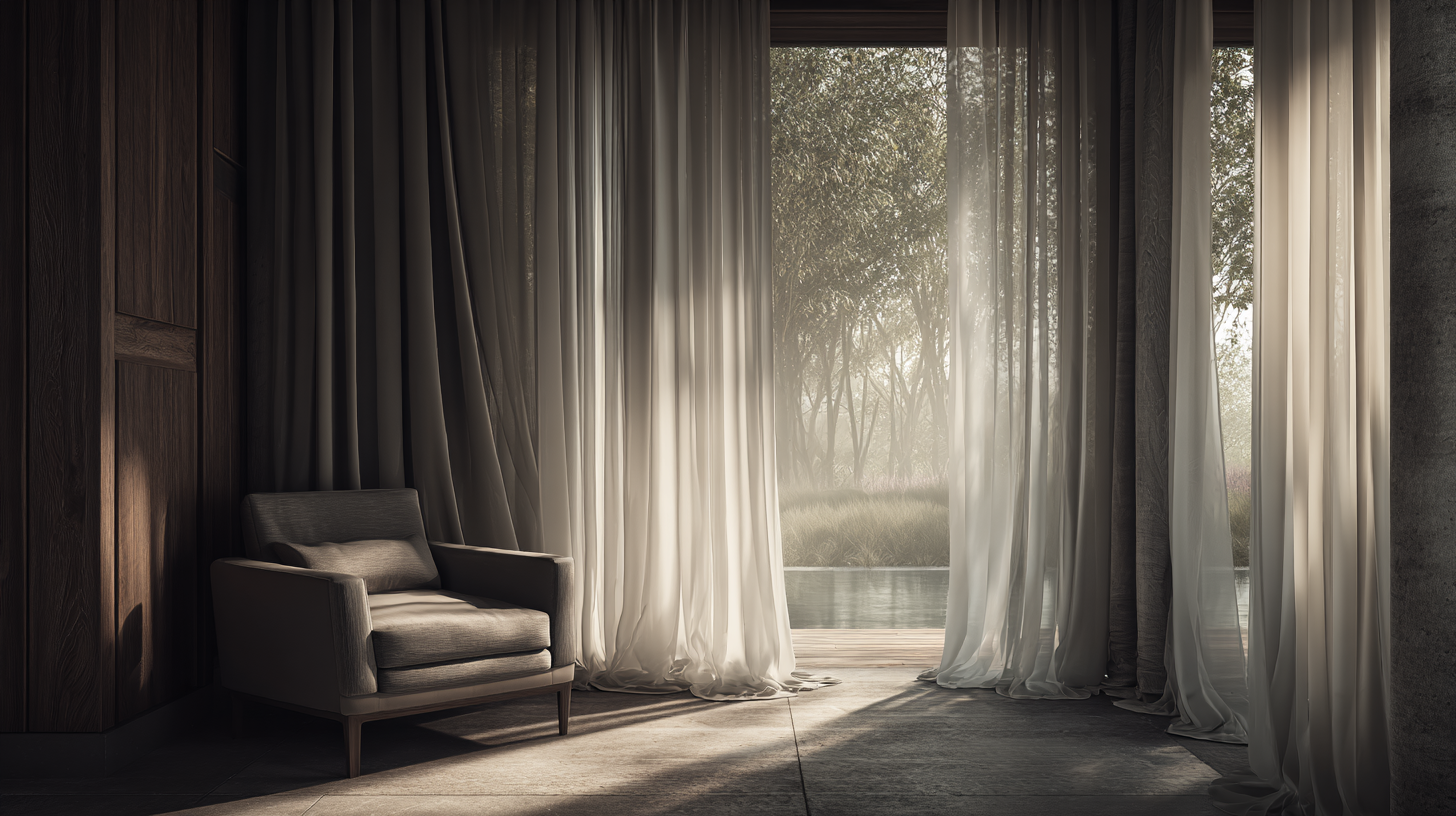
Luxury resorts used to sell status and spectacle. Now they sell something quieter: relief. Guests arrive overloaded, and the best resorts are redesigning around sensory calm, reduced friction, and emotional steadiness. Modern luxury is less about what you add, and more about what you remove.