The Hydropolis is due to open this month in Dubai. Its will include 220 suites submerged 20m under water, in the middle of the desert.

To enter, visitors will begin at the land station, a 120m woven, semicircular cylinder arching over a multi-storey building. Once at the lowest level, passengers board a noiseless train propelled by a cable to Hydropolis. The upper storeys of the land station house a cosmetic surgery clinic, marine biological research labs and conference facilities. The lower levels of the land station are for staff rooms, goods storage, loading areas and car parks. The land station also includes a restaurant and cinema.

The entire hotel covers 260 hectares and is costing around 300 million pound to construct. The underwater part of the structure is constructed as a figure eight laying on its side and inscribed in a circle. There will be a large petal-like retracting roof which will enable the staging of open-sky events.
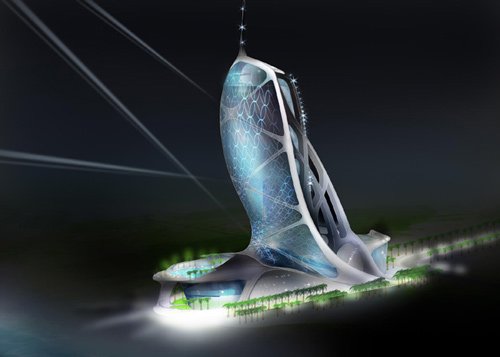
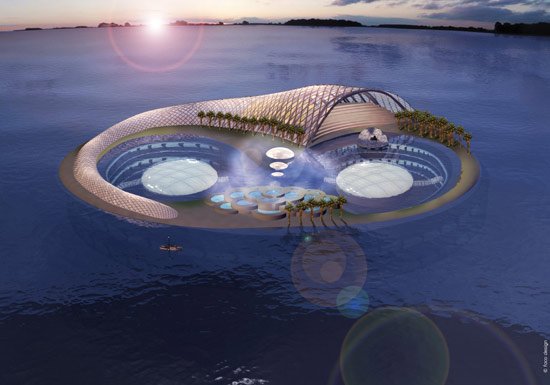
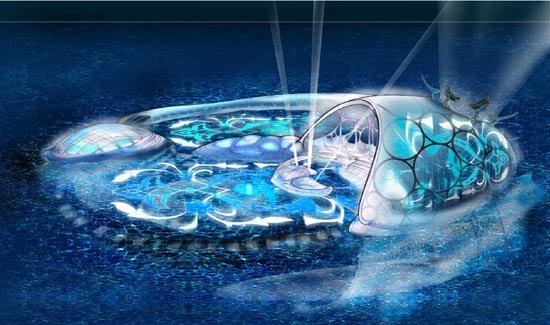
Images from Intelligent Design and Build Innovations
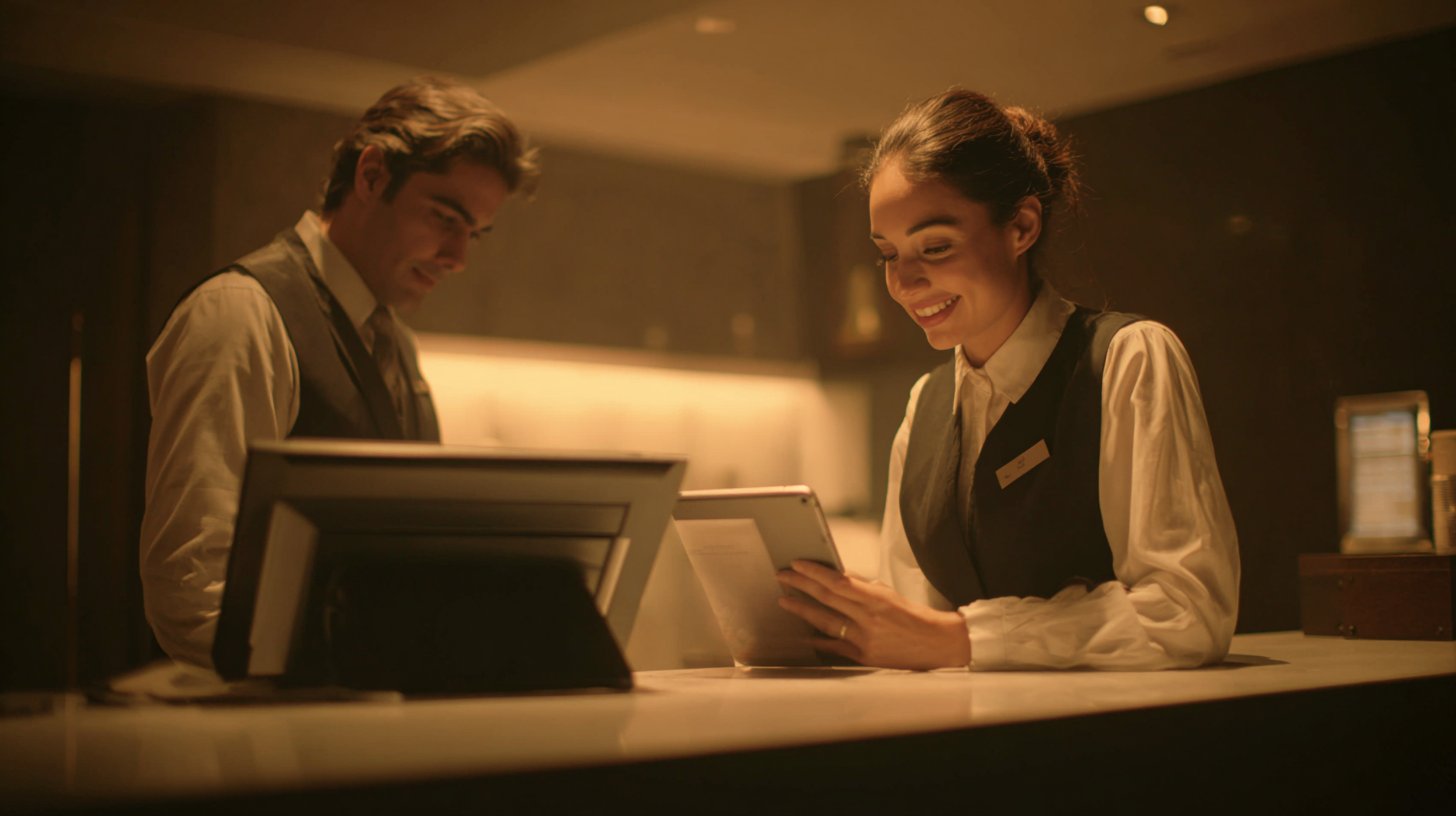
The New Luxury Signal: Emotional Stability

The New Luxury Signal: Emotional Stability

Luxury resorts used to sell status and spectacle. Now they sell something quieter: relief. Guests arrive overloaded, and the best resorts are redesigning around sensory calm, reduced friction, and emotional steadiness. Modern luxury is less about what you add, and more about what you remove.

When You Can’t Leave: Designing for the Flight Reflex in Airports, Venues, and Hospitals

When You Can’t Leave: Designing for the Flight Reflex in Airports, Venues, and Hospitals

In high-stimulus public spaces, our bodies do more than react – they strategise.
Airports, hospitals, and stadiums all evoke subtle “Flight” responses: scanning, pacing, early exits.
Understanding how threat appraisal drives behaviour can help architects and planners design calmer spaces – and reveal why relaxation, not excitement, predicts dwell, spend, and satisfaction.

Small Towns, Big Relief: Nostalgia, Tradition, and the Break From Self

Small Towns, Big Relief: Nostalgia, Tradition, and the Break From Self

Small towns do more than change the scenery. They give visitors a break from themselves. This piece unpacks how nostalgia and tradition create identity relief that boosts spend, dwell time, and community value. Practical takeaways for tourism, luxury, food, museums, and policy.

The Last Ten Minutes of Luxury

The Last Ten Minutes of Luxury

Guests pay for days yet remember minutes. The peak end rule explains why a stay often lives or dies on one high moment and the day of departure. What works, what fails, and how to design the arc so memory carries your brand home.