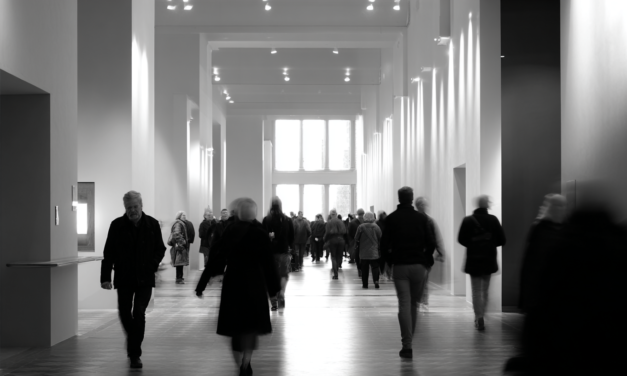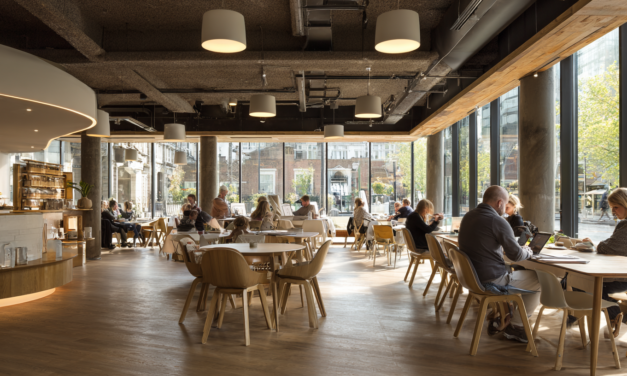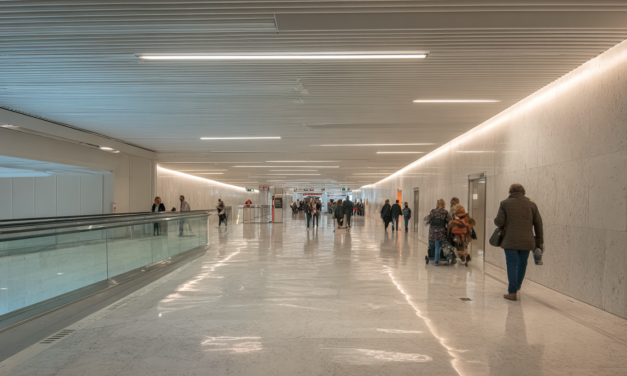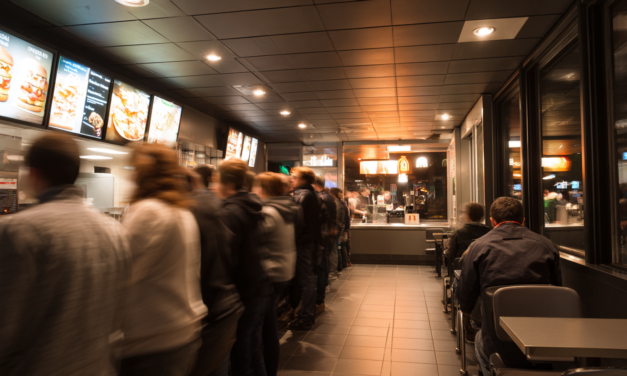
Frictionless vs Soulless: The Hospitality Threshold
As hospitality automates for efficiency, a critical line is emerging. Explore the hospitality threshold — where frictionless design becomes soulless, and which moments must stay human.
Read MoreAs hospitality automates for efficiency, a critical line is emerging. Explore the hospitality threshold — where frictionless design becomes soulless, and which moments must stay human.
Read MoreTrump’s Venezuela move looks chaotic until you recognise the method behind it. This article examines asset-first intervention, where infrastructure, revenue, and control precede legitimacy, and why Venezuela has become a test case for a portable model of power.
Read MoreModern systems have turned rest into something we perform rather than something that restores us. This essay explores why holidays often fail to renew people, how work and the holiday industry reinforce the problem, and what real restoration actually requires.
Read MoreI was prescribed Serepax at twelve. Years later, I started noticing how quickly I default to containment. This is an exploration of what happens when emotional quieting becomes part of development, not just short-term relief.
Read MoreTikTok has given a name to people who are friendly on the outside but feel like outsiders on the inside. Otroverts. This article looks at what that label really describes, how it fits with existing models of personality and values, and why it matters for brands, spaces and workplaces.
Read MoreLuxury resorts used to sell status and spectacle. Now they sell something quieter: relief. Guests arrive overloaded, and the best resorts are redesigning around sensory calm, reduced friction, and emotional steadiness. Modern luxury is less about what you add, and more about what you remove.
Read MoreIn 2019 the Victorian Forestry Plan set a 2030 end date for native harvesting. That ten year horizon shaped every part of the transition. When the date was brought forward by six years, the logic collapsed. Part 2 examines how an interrupted timeline left towns exposed before the real work could begin.
Read MoreAKD Yarram’s closure has been framed as a casualty of the native timber ban, but that story collapses two different industries into one. The mill processed softwood, not native hardwood. The real causes were national construction turbulence and a compressed transition timeline that left towns exposed.
Read MoreThe closure of AKD’s Yarram mill is more than a job loss. It’s a systemic emergency that exposes how vulnerable small towns become when economic shocks arrive without a formal response system. Yarram’s community is already mobilising, but goodwill alone can’t carry what should be a structured, predictable framework for regional crises.
Read More