Its not uncommon for parents to run out of baby essentials (nappies, wipes etc) when you’re out. The problem of course is that when you realise you need them its normally urgent and a right pain to have to find a shop and handle the transaction with an upset baby. Westfields in the US have decided to deal with this via an innovative vending machine called “Baby Station”.

The Baby Stations sell essential baby products like feeding products, first aid (Tylenol, rash cream etc), wipes, nappies, bottles, pacifiers etc. They also feature a 7″ video screen which provides information on the products being sold. The thinking for Westfield (who plan to place them in every one of their centers over the next 12 months) is that it will reduce the instance of parents having to cut their shopping time short because they left the house without all the baby essentials.

This would also be a great idea for airports & train stations.
The Cost of Performing Rest

The Cost of Performing Rest

Modern systems have turned rest into something we perform rather than something that restores us. This essay explores why holidays often fail to renew people, how work and the holiday industry reinforce the problem, and what real restoration actually requires.

The New Luxury Signal: Emotional Stability

The New Luxury Signal: Emotional Stability

Luxury resorts used to sell status and spectacle. Now they sell something quieter: relief. Guests arrive overloaded, and the best resorts are redesigning around sensory calm, reduced friction, and emotional steadiness. Modern luxury is less about what you add, and more about what you remove.

When You Can’t Leave: Designing for the Flight Reflex in Airports, Venues, and Hospitals

When You Can’t Leave: Designing for the Flight Reflex in Airports, Venues, and Hospitals

In high-stimulus public spaces, our bodies do more than react – they strategise.
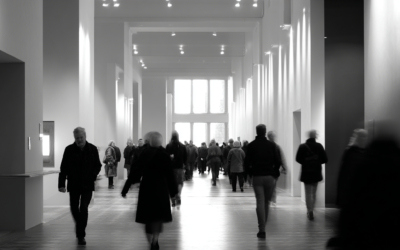
Airports, hospitals, and stadiums all evoke subtle “Flight” responses: scanning, pacing, early exits.
Understanding how threat appraisal drives behaviour can help architects and planners design calmer spaces – and reveal why relaxation, not excitement, predicts dwell, spend, and satisfaction.