Category: Travel/Tourism
The Psychology of Retail: What Cows and Casinos Reveal About Customer Behaviour
What do dairy cows and casinos have in common with supermarkets, airports, and resorts? More than most retailers realise. This article explores the behavioural systems that shape customer flow, reduce friction, influence time perception, and drive sustainable yield. From routine and reinforcement to stress and throughput, the mechanics behind milk production and gambling floors reveal powerful lessons for retail strategy, customer experience design, and revenue optimisation.
Read More
Frictionless vs Soulless: The Hospitality Threshold
As hospitality automates for efficiency, a critical line is emerging. Explore the hospitality threshold — where frictionless design becomes soulless, and which moments must stay human.
Read More
The Cost of Performing Rest
Modern systems have turned rest into something we perform rather than something that restores us. This essay explores why holidays often fail to renew people, how work and the holiday industry reinforce the problem, and what real restoration actually requires.
Read More
The New Luxury Signal: Emotional Stability
Luxury resorts used to sell status and spectacle. Now they sell something quieter: relief. Guests arrive overloaded, and the best resorts are redesigning around sensory calm, reduced friction, and emotional steadiness. Modern luxury is less about what you add, and more about what you remove.
Read More
When You Can’t Leave: Designing for the Flight Reflex in Airports, Venues, and Hospitals
In high-stimulus public spaces, our bodies do more than react – they strategise.
Airports, hospitals, and stadiums all evoke subtle “Flight” responses: scanning, pacing, early exits.
Understanding how threat appraisal drives behaviour can help architects and planners design calmer spaces – and reveal why relaxation, not excitement, predicts dwell, spend, and satisfaction.
Small Towns, Big Relief: Nostalgia, Tradition, and the Break From Self
Small towns do more than change the scenery. They give visitors a break from themselves. This piece unpacks how nostalgia and tradition create identity relief that boosts spend, dwell time, and community value. Practical takeaways for tourism, luxury, food, museums, and policy.
Read More
The Last Ten Minutes of Luxury
Guests pay for days yet remember minutes. The peak end rule explains why a stay often lives or dies on one high moment and the day of departure. What works, what fails, and how to design the arc so memory carries your brand home.
Read More
The Hidden Psychology of Time in Retail: From Scarcity to Timelessness
Airports, resorts, and luxury boutiques don’t just sell products. They sell time — scarce, abundant, distorted, or timeless. This essay explores how time shapes shopping behaviour.
Read More
When the Fix Becomes the Flaw : Why ‘Experience Design’ Is Breaking Retail
Retail has doubled down on experience design to win back emotion and attention. But when design becomes control, engagement collapses into performance.
Read More
The Evolution of Luxury: From Gold Leaf to Inner Peace
Luxury isn’t about wealth—it’s about what’s missing. From postwar security to digital-era silence, what we call “luxury” keeps evolving. This essay explores how rarity shapes desire, how the luxury industry sells emotional scarcity, and why the most coveted experiences today are often the quietest.
Read More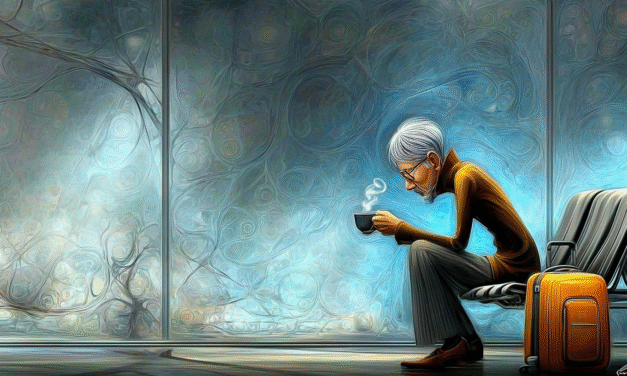
Airport Retail and the Psychology of Stress: What Makes Travellers Spend?
That overpriced chocolate bar at Gate 14 wasn’t about hunger—it was about control. In this in-depth essay, we explore how Mood Repair Theory explains airport retail behaviour, especially in high-stress domestic terminals, and what airports can learn from global best practice to meet travellers’ emotional needs.
Read More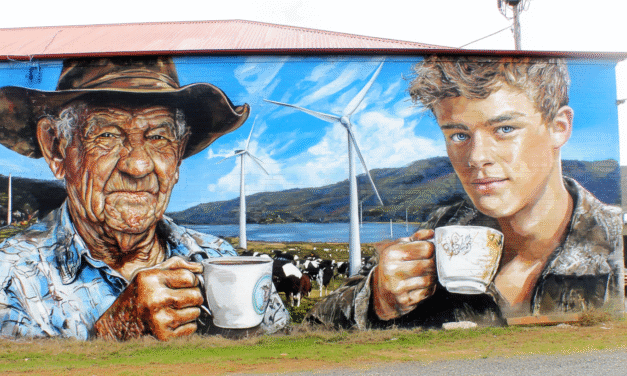
What Is Narrative Transportation Theory—and Why Should Regional Tourism Care?
Inside every old town lives a new story—emerging not instead of, but because of what came before.
Read More