Versace are withdrawing from the Japanese market with the closure of its last three stores in Tokyo, Osaka & Chiba and liquidation of the Japanese business by the end of the year.  This isn’t a permanent move however, its more because the Versace boutiques no longer represent the brand image and they feel its better to clear the slate and start again with the right locations, distribution channels & product range for the contracted Japanese market.  They expect to be back in Japan next year either in a wholesale capacity or with new stores, depending on how the new strategy emerges.

The market for luxury imported goods contracted 10 percent in 2008 from the previous year, according to Yano Research Institute Ltd and is expected to contract almost a further 10percent this year. Versace Japan had sales of 1.6 billion yen in 2008 compared with 4.1 billion yen four years ago, according to Teikoku Data Bank, so certainly something needed to be done and a clean slate is a sensible strategy.

Given sales at the likes of Uniqlo it seems obvious that Japan’s focus has shifted to “cheap chic” and its brand name obsession is seriously dented if not over.  Many analysts believe that Japan has permanently moved away from luxury brand names or at least that this trend will continue in the long term with no real light at the end of the tunnel for Japan’s economy.
The Store Is the Strategy

The Store Is the Strategy

You think you’re choosing what to buy. You’re not. From layout to lighting, retail environments quietly shape your decisions before you even realise it. Once you see it, you can’t unsee it.

The Psychology of Retail: What Cows and Casinos Reveal About Customer Behaviour

The Psychology of Retail: What Cows and Casinos Reveal About Customer Behaviour

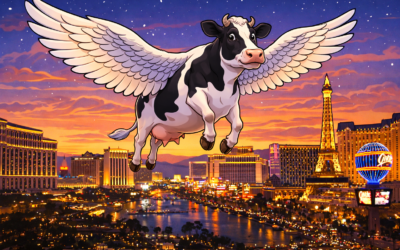
What do dairy cows and casinos have in common with supermarkets, airports, and resorts? More than most retailers realise. This article explores the behavioural systems that shape customer flow, reduce friction, influence time perception, and drive sustainable yield. From routine and reinforcement to stress and throughput, the mechanics behind milk production and gambling floors reveal powerful lessons for retail strategy, customer experience design, and revenue optimisation.

When You Can’t Leave: Designing for the Flight Reflex in Airports, Venues, and Hospitals

When You Can’t Leave: Designing for the Flight Reflex in Airports, Venues, and Hospitals

In high-stimulus public spaces, our bodies do more than react – they strategise.
Airports, hospitals, and stadiums all evoke subtle “Flight” responses: scanning, pacing, early exits.
Understanding how threat appraisal drives behaviour can help architects and planners design calmer spaces – and reveal why relaxation, not excitement, predicts dwell, spend, and satisfaction.