Category: Featured Articles
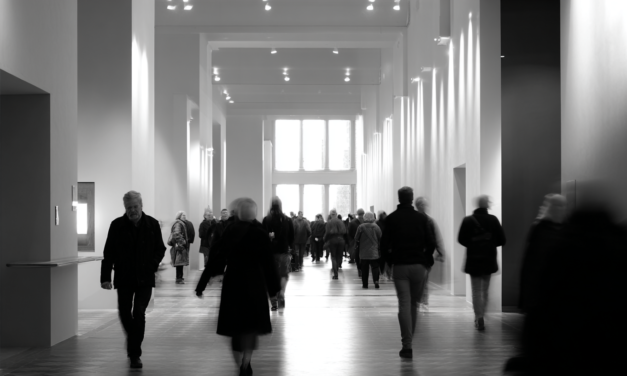
The System You’re Inside (And Why You Can’t See It)
Most people believe they are making independent decisions. In reality, they are responding to systems they cannot see. From algorithms to economic structures to social norms, the real driver of behaviour is rarely the individual—it’s the environment shaping what feels possible, reasonable, or true.
Read More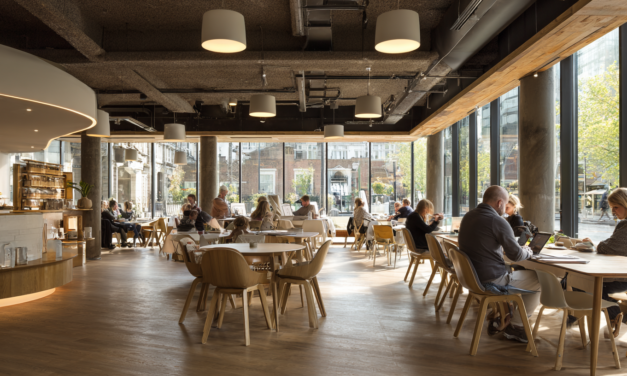
The Calm That Sells: Why Quiet Spaces Drive Better Decisions
Most environments are designed to stimulate. The most effective ones do the opposite. Calm doesn’t slow decisions—it improves them.
Read More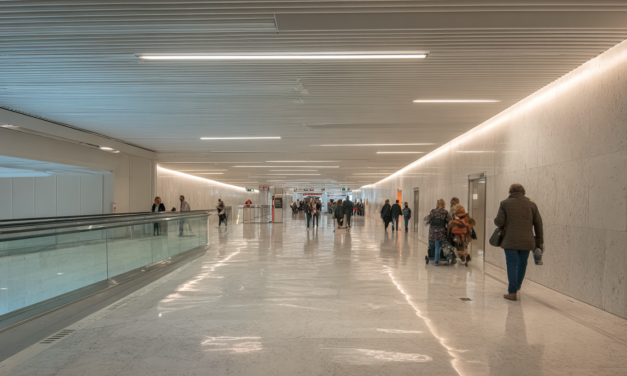
The Architecture of Yes: Designing Spaces People Naturally Move Towards
Some environments push behaviour. Others remove the need to push at all. The difference lies in how friction is designed—or eliminated.
Read More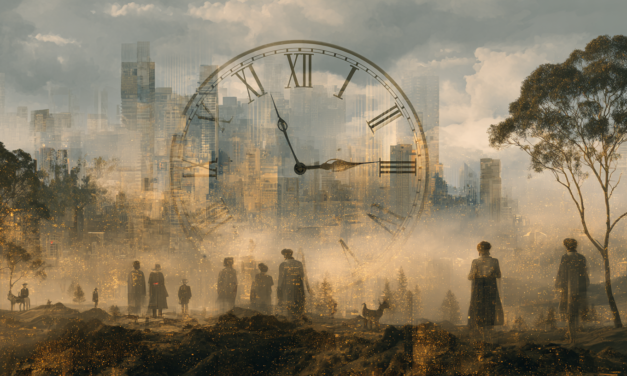
The Politics of Time
What if many of our biggest crises are temporal? This article explores how modern assumptions about time quietly shape aged care, climate policy and governance.
Read More
The New Luxury Signal: Emotional Stability
Luxury resorts used to sell status and spectacle. Now they sell something quieter: relief. Guests arrive overloaded, and the best resorts are redesigning around sensory calm, reduced friction, and emotional steadiness. Modern luxury is less about what you add, and more about what you remove.
Read More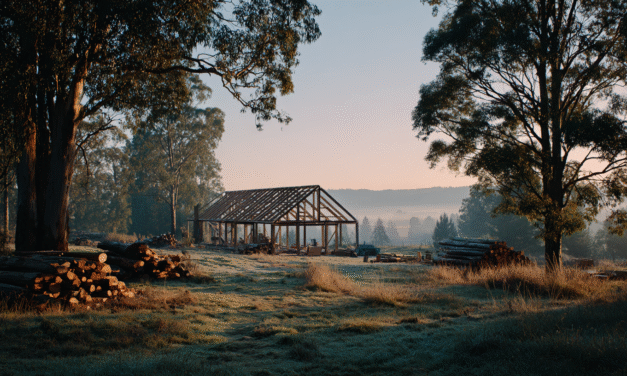
A Transition Built on Sand: The Original LDS Plan and the 2030 Assumption – 2
In 2019 the Victorian Forestry Plan set a 2030 end date for native harvesting. That ten year horizon shaped every part of the transition. When the date was brought forward by six years, the logic collapsed. Part 2 examines how an interrupted timeline left towns exposed before the real work could begin.
Read More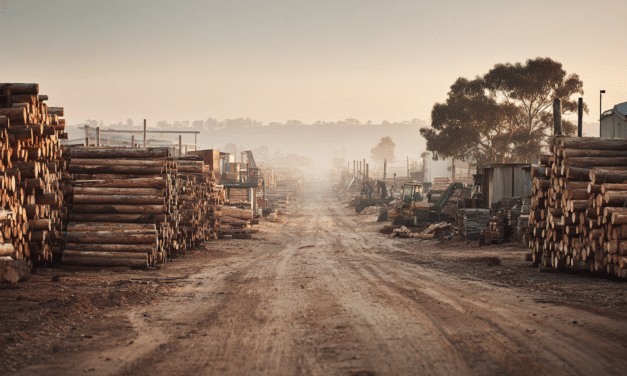
The Myth of Blame: Why AKD’s Closure Wasn’t Caused by the Native Timber Ban – 1
AKD Yarram’s closure has been framed as a casualty of the native timber ban, but that story collapses two different industries into one. The mill processed softwood, not native hardwood. The real causes were national construction turbulence and a compressed transition timeline that left towns exposed.
Read More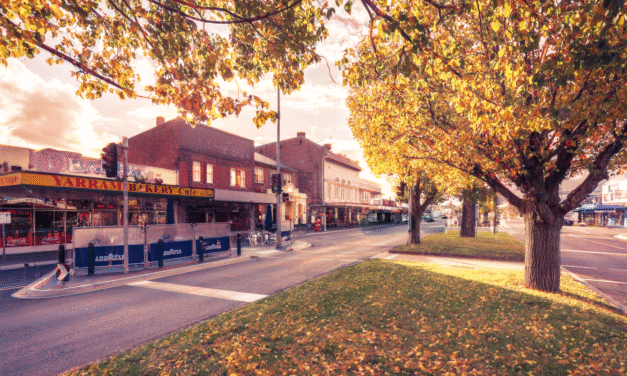
When a town becomes the Shock Absorber
The closure of AKD’s Yarram mill is more than a job loss. It’s a systemic emergency that exposes how vulnerable small towns become when economic shocks arrive without a formal response system. Yarram’s community is already mobilising, but goodwill alone can’t carry what should be a structured, predictable framework for regional crises.
Read More
We Misread the Whole System – Yarram Paid the Price
The AKD mill didn’t close because housing collapsed – it closed because two long-running structural failures collided in one town. Here’s what really happened, and what Yarram needs next.
Read More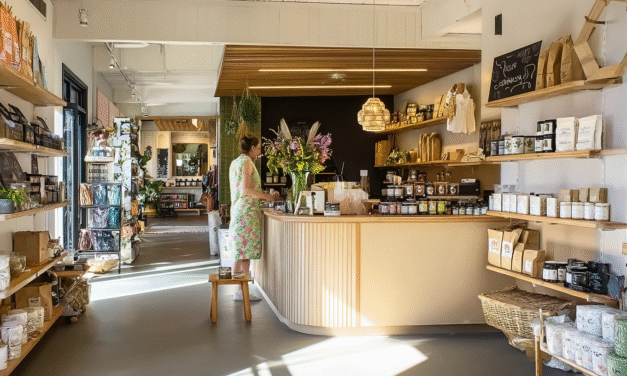
Lessons From the Country Store: What Big Retail Forgot About Trust
Small country towns show how trust, reciprocity, and human scale create a stronger retail model. This article explains why Gen Z aligns with country retail and what big brands can learn.
Read More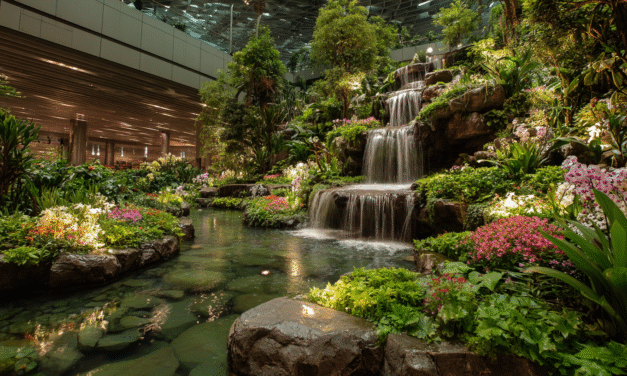
When You Can’t Leave: Designing for the Flight Reflex in Airports, Venues, and Hospitals
In high-stimulus public spaces, our bodies do more than react – they strategise.
Airports, hospitals, and stadiums all evoke subtle “Flight” responses: scanning, pacing, early exits.
Understanding how threat appraisal drives behaviour can help architects and planners design calmer spaces – and reveal why relaxation, not excitement, predicts dwell, spend, and satisfaction.

The Last Ten Minutes of Luxury
Guests pay for days yet remember minutes. The peak end rule explains why a stay often lives or dies on one high moment and the day of departure. What works, what fails, and how to design the arc so memory carries your brand home.
Read More