
Industries & Environments
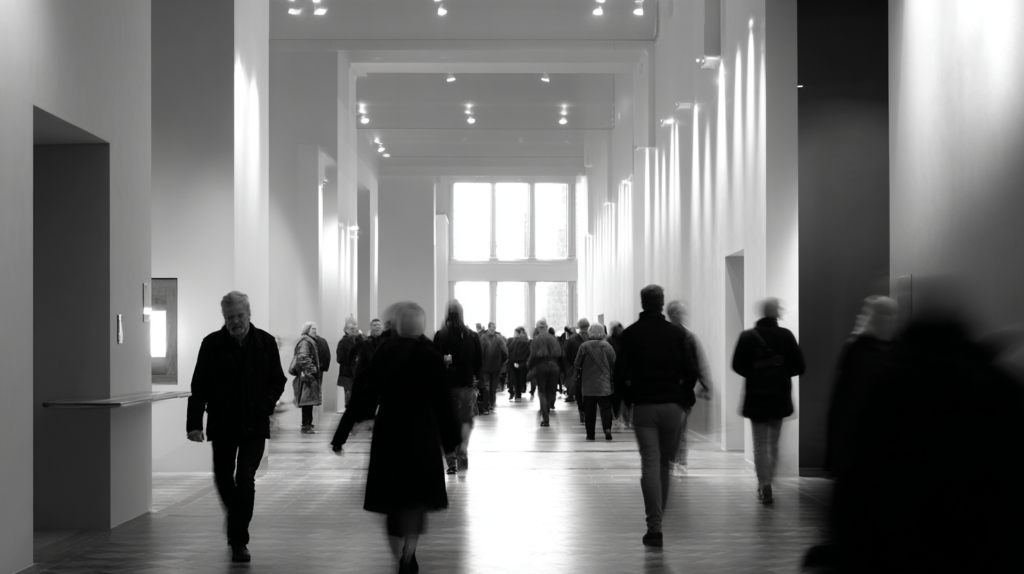
The System You’re Inside (And Why You Can’t See It)
Most people believe they are making independent decisions. In reality, they are responding to systems they cannot see. From algorithms to economic structures to social norms, the real driver of behaviour is rarely the individual—it’s the environment shaping what feels possible, reasonable, or true.
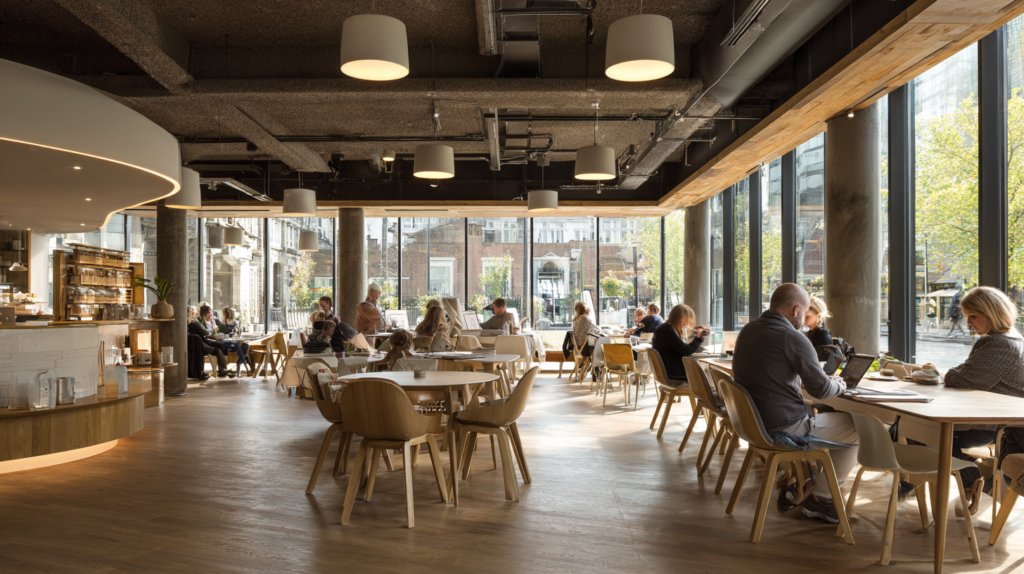
The Calm That Sells: Why Quiet Spaces Drive Better Decisions
Most environments are designed to stimulate. The most effective ones do the opposite. Calm doesn’t slow decisions—it improves them.
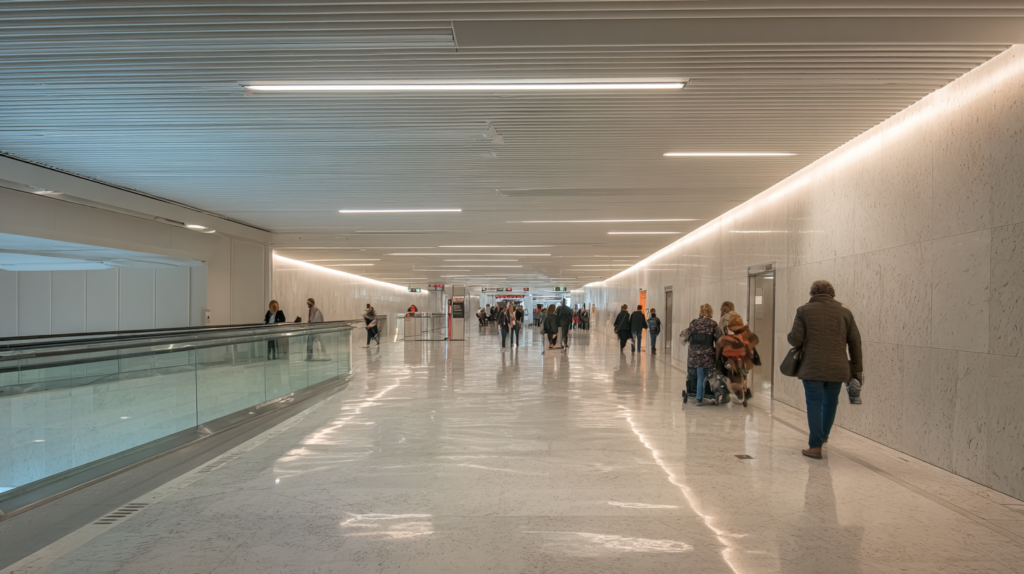
The Architecture of Yes: Designing Spaces People Naturally Move Towards
Some environments push behaviour. Others remove the need to push at all. The difference lies in how friction is designed—or eliminated.

Aldi vs Everyone: Why Less Choice Changes Behaviour
Aldi doesn’t just sell groceries differently—it changes how people think, choose, and move. This is what happens when you design for constraint instead of abundance.
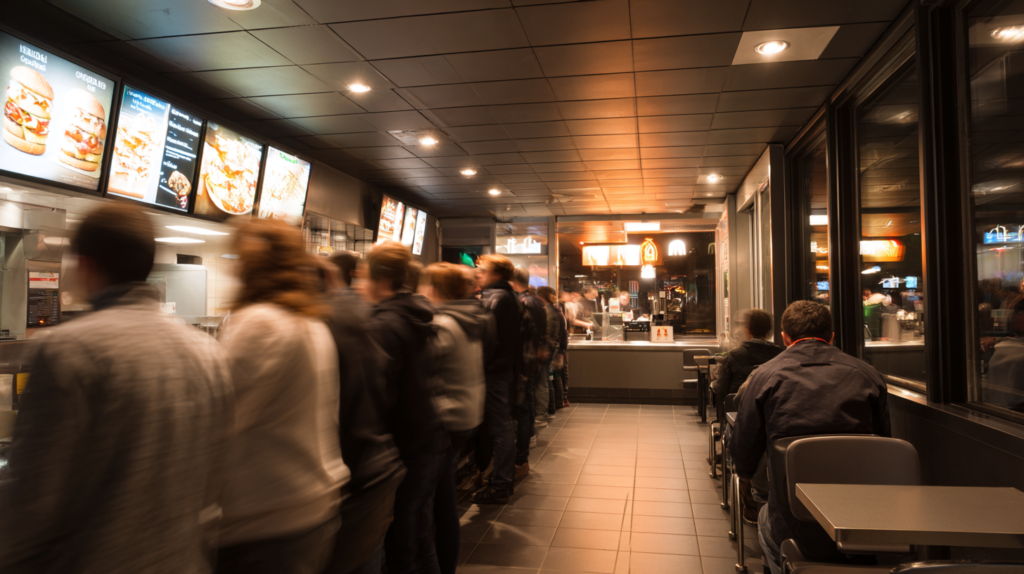
Speed, Stress, and Spend
Most environments don’t just contain behaviour—they produce it. This image reveals how design quietly creates zones of compulsion and zones of choice within the same space.
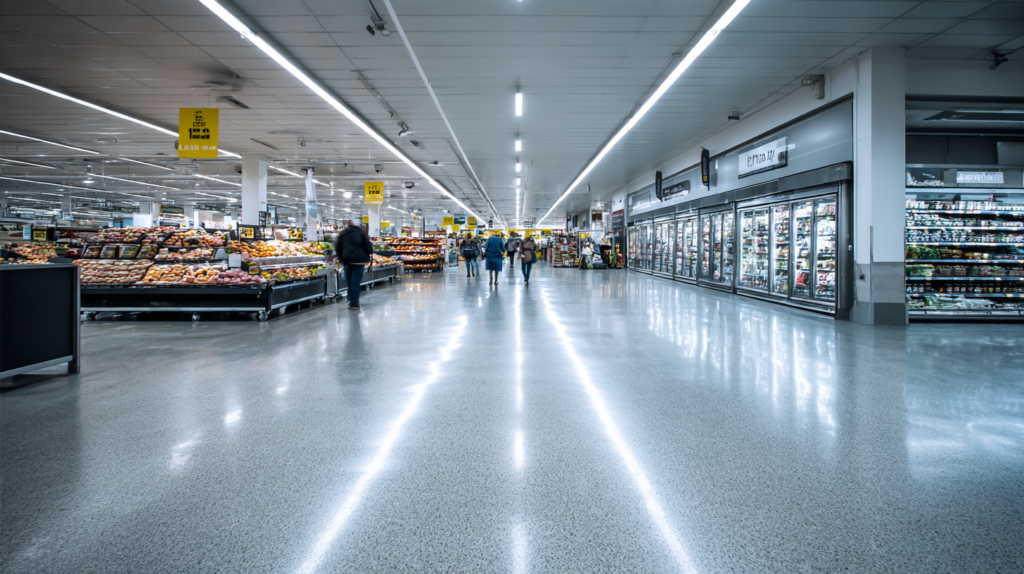
The Store Is the Strategy
You think you’re choosing what to buy. You’re not. From layout to lighting, retail environments quietly shape your decisions before you even realise it. Once you see it, you can’t unsee it.
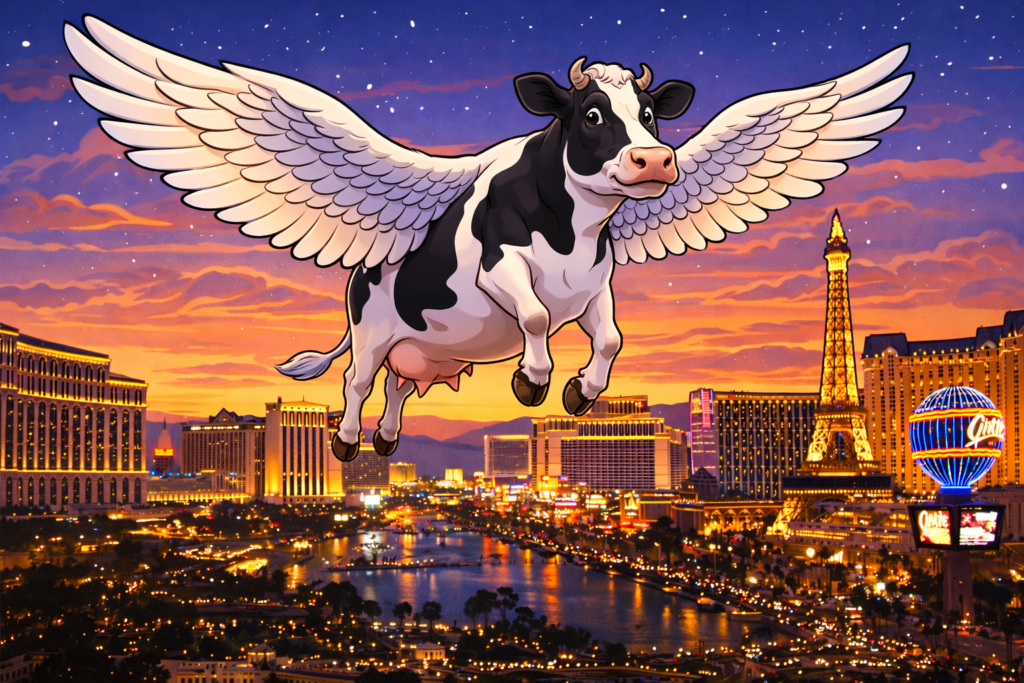
The Psychology of Retail: What Cows and Casinos Reveal About Customer Behaviour
What do dairy cows and casinos have in common with supermarkets, airports, and resorts? More than most retailers realise. This article explores the behavioural systems that shape customer flow, reduce friction, influence time perception, and drive sustainable yield. From routine and reinforcement to stress and throughput, the mechanics behind milk production and gambling floors reveal powerful lessons for retail strategy, customer experience design, and revenue optimisation.

Frictionless vs Soulless: The Hospitality Threshold
As hospitality automates for efficiency, a critical line is emerging. Explore the hospitality threshold — where frictionless design becomes soulless, and which moments must stay human.

The Cost of Performing Rest
Modern systems have turned rest into something we perform rather than something that restores us. This essay explores why holidays often fail to renew people, how work and the holiday industry reinforce the problem, and what real restoration actually requires.

The New Luxury Signal: Emotional Stability
Luxury resorts used to sell status and spectacle. Now they sell something quieter: relief. Guests arrive overloaded, and the best resorts are redesigning around sensory calm, reduced friction, and emotional steadiness. Modern luxury is less about what you add, and more about what you remove.
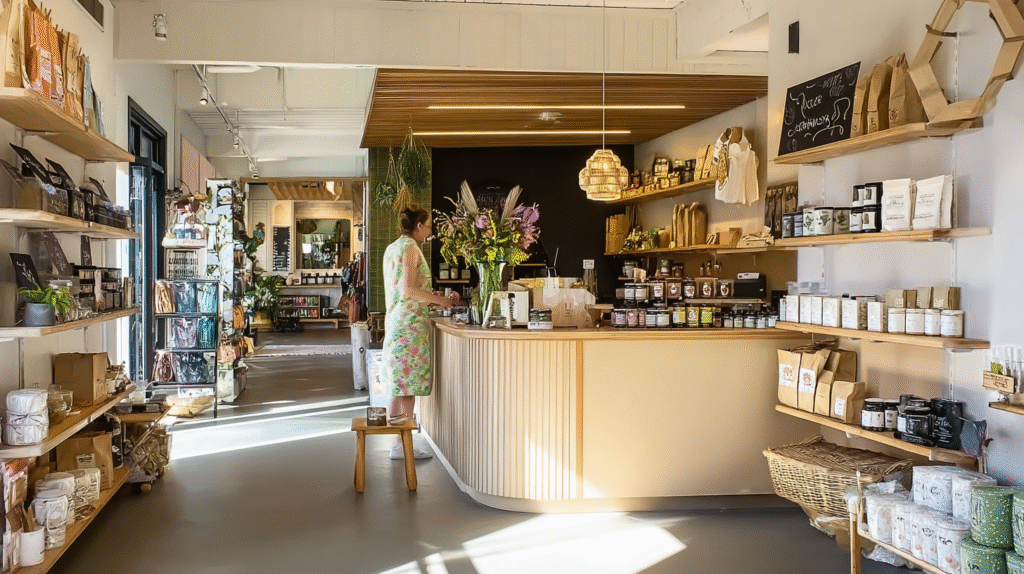
Lessons From the Country Store: What Big Retail Forgot About Trust
Small country towns show how trust, reciprocity, and human scale create a stronger retail model. This article explains why Gen Z aligns with country retail and what big brands can learn.

When You Can’t Leave: Designing for the Flight Reflex in Airports, Venues, and Hospitals
In high-stimulus public spaces, our bodies do more than react – they strategise.
Airports, hospitals, and stadiums all evoke subtle “Flight” responses: scanning, pacing, early exits.
Understanding how threat appraisal drives behaviour can help architects and planners design calmer spaces – and reveal why relaxation, not excitement, predicts dwell, spend, and satisfaction.
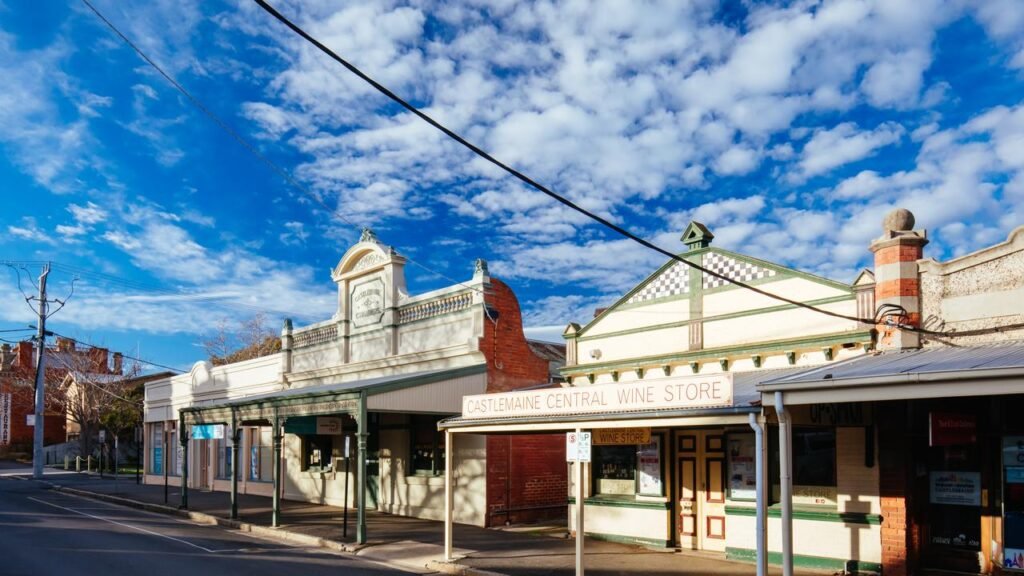
Small Towns, Big Relief: Nostalgia, Tradition, and the Break From Self
Small towns do more than change the scenery. They give visitors a break from themselves. This piece unpacks how nostalgia and tradition create identity relief that boosts spend, dwell time, and community value. Practical takeaways for tourism, luxury, food, museums, and policy.

The Last Ten Minutes of Luxury
Guests pay for days yet remember minutes. The peak end rule explains why a stay often lives or dies on one high moment and the day of departure. What works, what fails, and how to design the arc so memory carries your brand home.

The Hidden Psychology of Time in Retail: From Scarcity to Timelessness
Airports, resorts, and luxury boutiques don’t just sell products. They sell time — scarce, abundant, distorted, or timeless. This essay explores how time shapes shopping behaviour.

When the Fix Becomes the Flaw : Why 'Experience Design' Is Breaking Retail
Retail has doubled down on experience design to win back emotion and attention. But when design becomes control, engagement collapses into performance.

The Evolution of Luxury: From Gold Leaf to Inner Peace
Luxury isn’t about wealth—it’s about what’s missing. From postwar security to digital-era silence, what we call “luxury” keeps evolving. This essay explores how rarity shapes desire, how the luxury industry sells emotional scarcity, and why the most coveted experiences today are often the quietest.
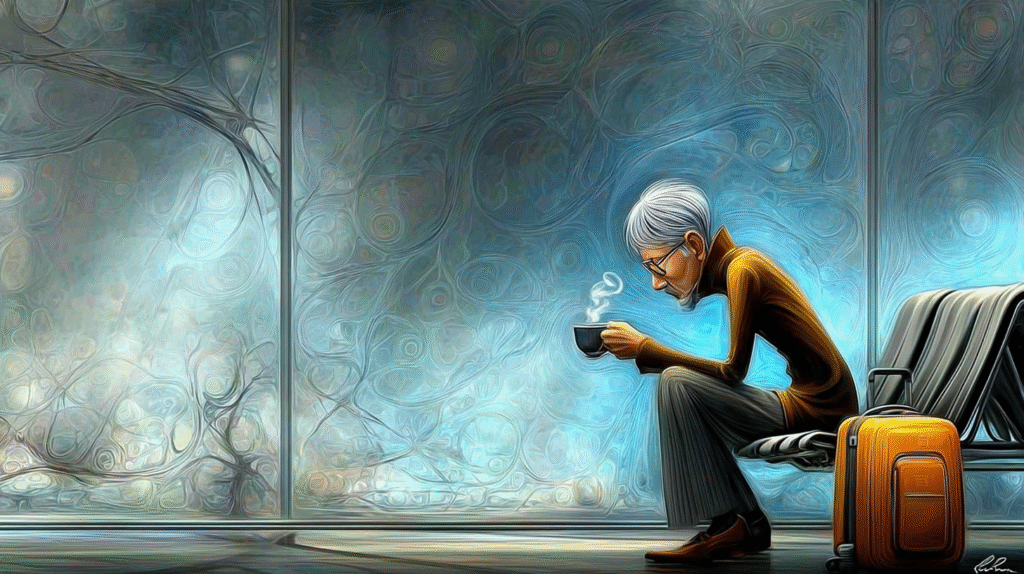
Airport Retail and the Psychology of Stress: What Makes Travellers Spend?
That overpriced chocolate bar at Gate 14 wasn’t about hunger—it was about control. In this in-depth essay, we explore how Mood Repair Theory explains airport retail behaviour, especially in high-stress domestic terminals, and what airports can learn from global best practice to meet travellers’ emotional needs.
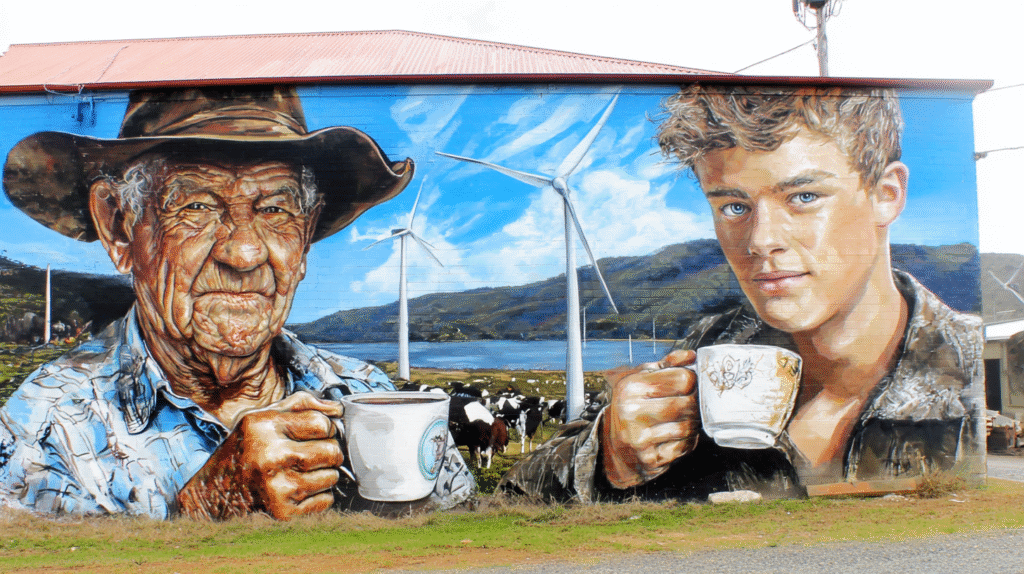
What Is Narrative Transportation Theory—and Why Should Regional Tourism Care?
Inside every old town lives a new story—emerging not instead of, but because of what came before.

Why People Misunderstand Regional Towns - and How to Reframe the Story
Regional towns struggle not with invisibility—but with oversimplified mental maps. Drawing on schema theory, this article explores how Gippsland, Daylesford, and New Zealand have reshaped public perception—and what councils can learn from them.

The Pope in the Mirror: Outrage, AI, and the Performance of Power
Trump’s AI images and media theatrics aren’t signs of dementia—they’re a deliberate strategy. What happens when outrage becomes the operating system of politics?

The Gamified Journey: How Behavioral Design is Transforming the Psychology of Travel
Travel isn’t just about going somewhere anymore—it’s about becoming someone. The quiet revolution of gamification is reshaping how we experience destinations, and smart marketers are already playing several moves ahead.

The Quiet Revolution: How Emotional Intelligence is Redefining Luxury Hospitality
Looking at the complexity of modern luxury hospitality through an emotional lens, this piece reveals a paradox: the most memorable experiences aren’t built from expensive materials, but from moments of genuine human connection that create lasting emotional imprints.
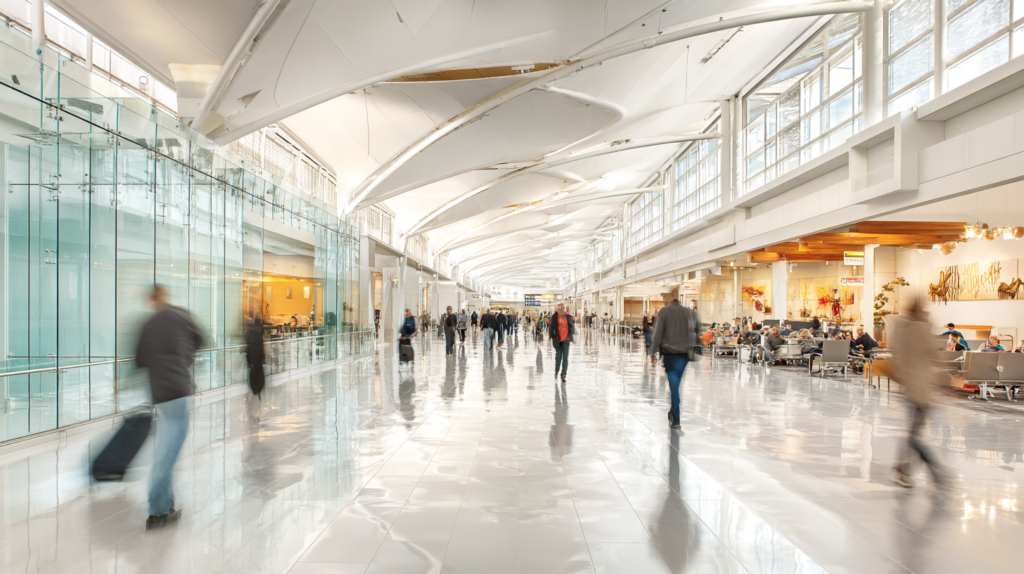
Engineered to Spend: The Hidden Psychology Behind Airport Layouts
Airports aren’t just about planes and passports—they’re carefully engineered environments that shape your behavior at every step. From retail layouts to time pressure, here’s how airport design nudges you more than you realize.

The Reciprocity Effect: How Strategic Favors Create Powerful Relationships
That free cheese cube creates an invisible thread of obligation—the same primal mechanism that once ensured tribal survival now shapes your shopping cart.

Why Touch Sells: The Hidden Psychology of Shopping
From neuroscience to retail strategy: How our most primitive sense shapes modern buying decisions, and why digital commerce is making touch more vital than ever.

From Cigarettes to Cheetos: How Big Tobacco Engineered the Science of Addiction
How tobacco giants used addiction science to transform snack foods, engineering everything from Doritos to Oreos for maximum craveability.

Sustainability at Events: Innovative Approaches to Reducing Food Waste
The Growing Challenge of Food Waste at Events In the realm of large-scale events, from sprawling music festivals to packed sports stadiums, food waste has emerged as a critical environmental and economic concern. The scale of this issue is staggering: in Australia alone, the hospitality sector generates 1.2 million tonnes of food waste annually, contributing […]
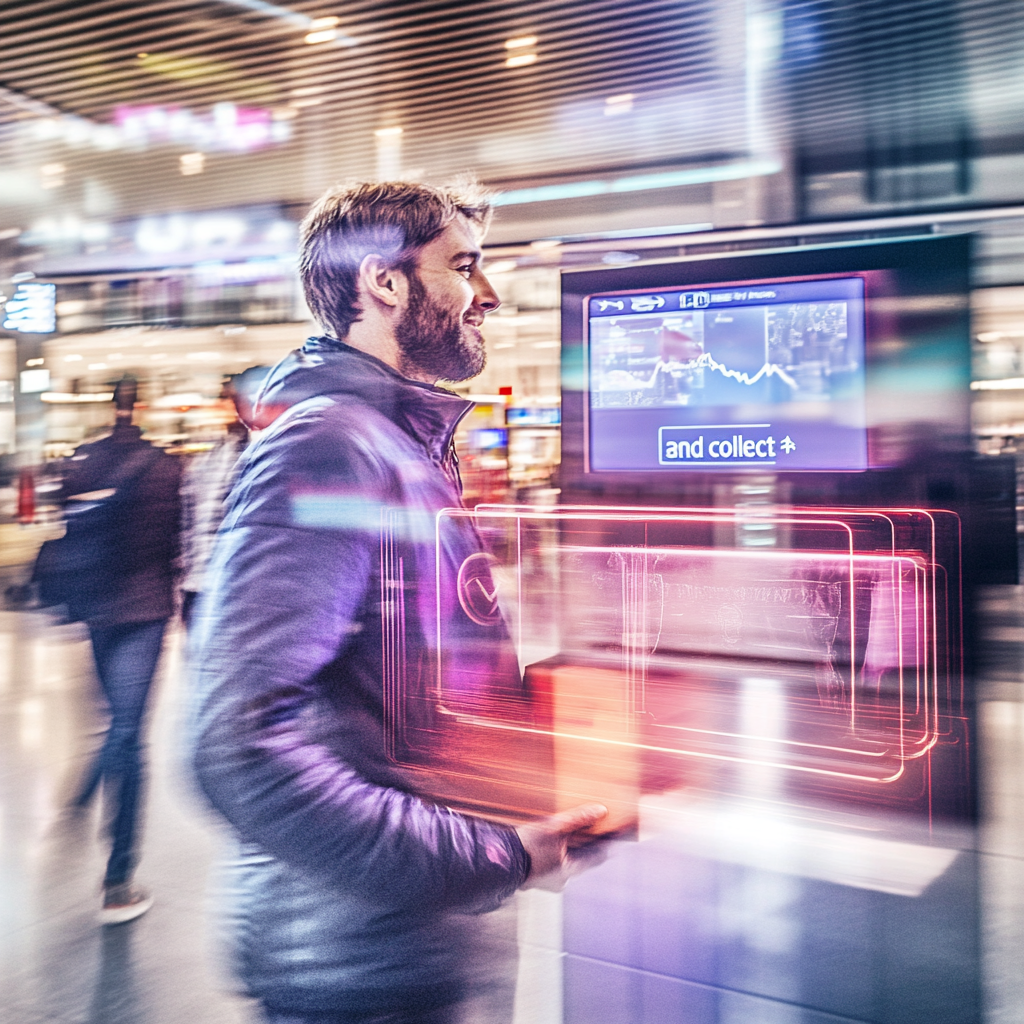
Navigating the New Normal: Phygital Solutions in Airport Retail
In airports worldwide, a retail transformation is underway. This "phygital" revolution blends digital convenience with physical shopping, addressing the unique needs of travelers. As this change unfolds, it's important to examine how phygital strategies are reshaping airport retail and their impact on travelers and retailers. The Airport Retail Environment Airport retail operates under specific conditions: […]
Phygital Retail Trends: What Consumers and Businesses Need to Know
In the ever-evolving game of commerce, something new has emerged, weaving together the digital and physical realms into a seamless experience. This phenomenon, aptly termed "phygital," represents a paradigm shift that challenges traditional notions of retail and consumer interaction. As society grapples with the implications of this transformation, it becomes imperative to examine the origins, […]