
Psychology
The Hardest Story to Question Is Your Own
It is easy to accept that perception, memory and interpretation are imperfect in the abstract. The difficult part comes when a particular piece of evidence unsettles the account we have used for years to explain ourselves, another person or the course of our life.
When Story Becomes History
Groups do not remember in the same way individuals do. Families, organisations and nations preserve records, repeat stories and inherit assumptions. Information can survive while its meaning fades, leaving institutions technically in possession of the past but unable to learn from it.
The Characters in My Story
Our life stories contain other people, but we rarely possess their full story. We observe behaviour, infer motives and assign meaning. Over time, those interpretations can become so familiar that we forget which parts were witnessed and which parts were supplied by us.
The Person I Need to Be
We do more than remember what happened. We organise events into an account that explains who we are, how we became that person and what kind of person we expect ourselves to be next. Identity shapes memory, but memory also helps maintain identity.
Memory Is Not an Archive
Memory feels like retrieval, as though the past has been stored somewhere intact. It is closer to reconstruction. Each act of remembering draws on surviving fragments, later knowledge, emotion and the meaning an event has acquired since it happened.
The Unreliable Witness
We tend to think memory is where our account of an event becomes unreliable. But the process begins earlier. Attention is selective, perception is incomplete, and two people can experience the same event while noticing very different things.

The Child Who Became the Mask
Some forms of imposter syndrome are not about confidence. They are about authorship. For those shaped by rejection, secrecy, abuse, or parentification, the deeper wound may be the inability to feel legitimate inside their own competence.

The Version of You Other People Carry
Families do not always pass down facts. They pass down emotional maps. This essay explores how inherited stories become certainty, how certainty crowds out curiosity, and why maturity asks us to question the narratives we absorbed before understanding arrived.

The 4% Problem: Why Absurd Beliefs Don’t Disappear, They Scale
A persistent minority has always believed things that don’t align with shared reality. What’s changed is not the number, but the visibility. This article explores how identity and system design turn small distortions into movements that feel far larger than they are.
The Psychology of Retail: What Cows and Casinos Reveal About Customer Behaviour
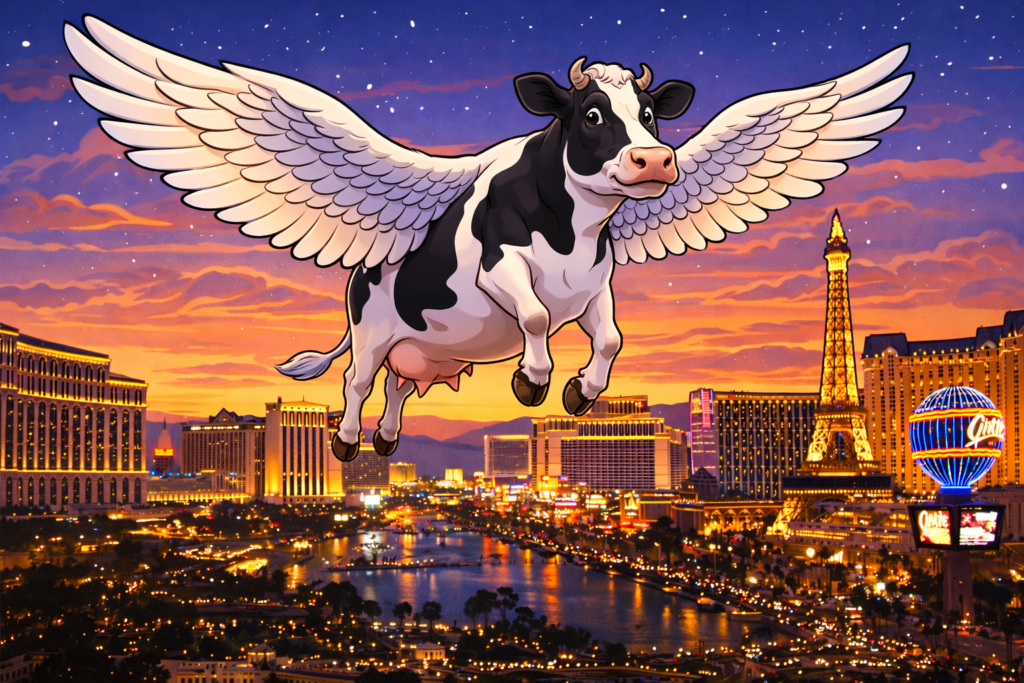
What do dairy cows and casinos have in common with supermarkets, airports, and resorts? More than most retailers realise. This article explores the behavioural systems that shape customer flow, reduce friction, influence time perception, and drive sustainable yield. From routine and reinforcement to stress and throughput, the mechanics behind milk production and gambling floors reveal powerful lessons for retail strategy, customer experience design, and revenue optimisation.

The Cost of Performing Rest
Modern systems have turned rest into something we perform rather than something that restores us. This essay explores why holidays often fail to renew people, how work and the holiday industry reinforce the problem, and what real restoration actually requires.
The Quiet That Lasts
I was prescribed Serepax at twelve. Years later, I started noticing how quickly I default to containment. This is an exploration of what happens when emotional quieting becomes part of development, not just short-term relief.
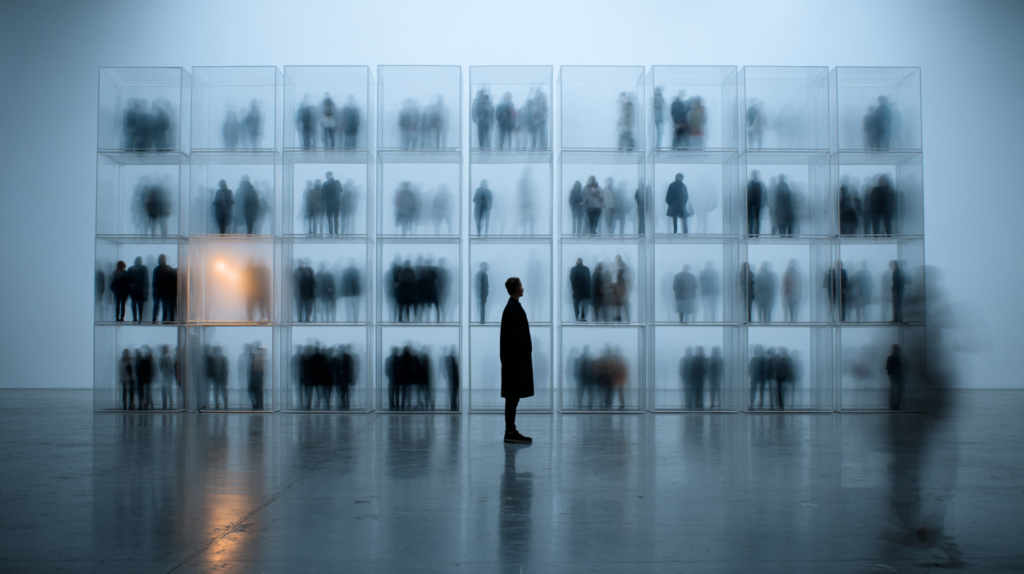
Are You Really An “Otrovert” Or Just Tired Of Everyone’s Boxes?
TikTok has given a name to people who are friendly on the outside but feel like outsiders on the inside. Otroverts. This article looks at what that label really describes, how it fits with existing models of personality and values, and why it matters for brands, spaces and workplaces.
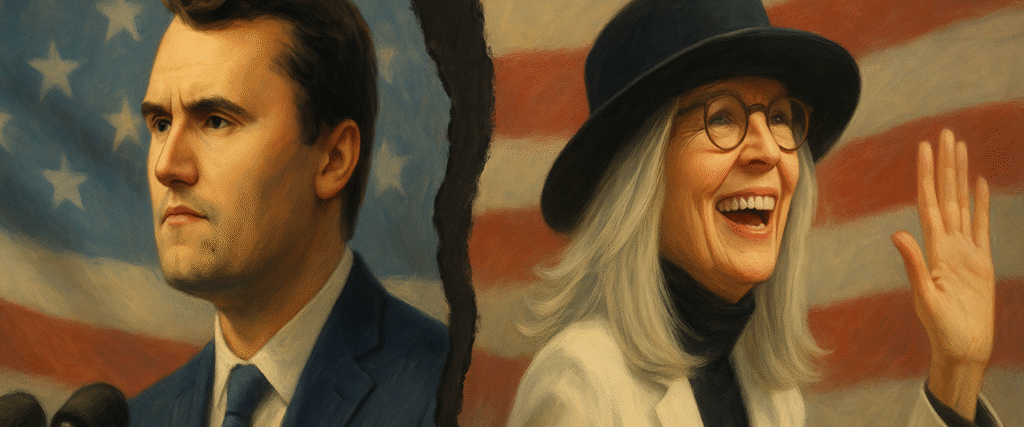
Two Kinds of Freedom: Charlie Kirk & Dianne Keaton
Pink asked, “If Charlie Kirk is Freedom, what is Dianne Keaton?” It wasn’t just a jab – it was a diagnosis. One man was honoured for defiance, one woman mourned for grace. Together they reveal how a culture’s definition of freedom has shifted from authenticity to spectacle.

The Last Ten Minutes of Luxury
Guests pay for days yet remember minutes. The peak end rule explains why a stay often lives or dies on one high moment and the day of departure. What works, what fails, and how to design the arc so memory carries your brand home.
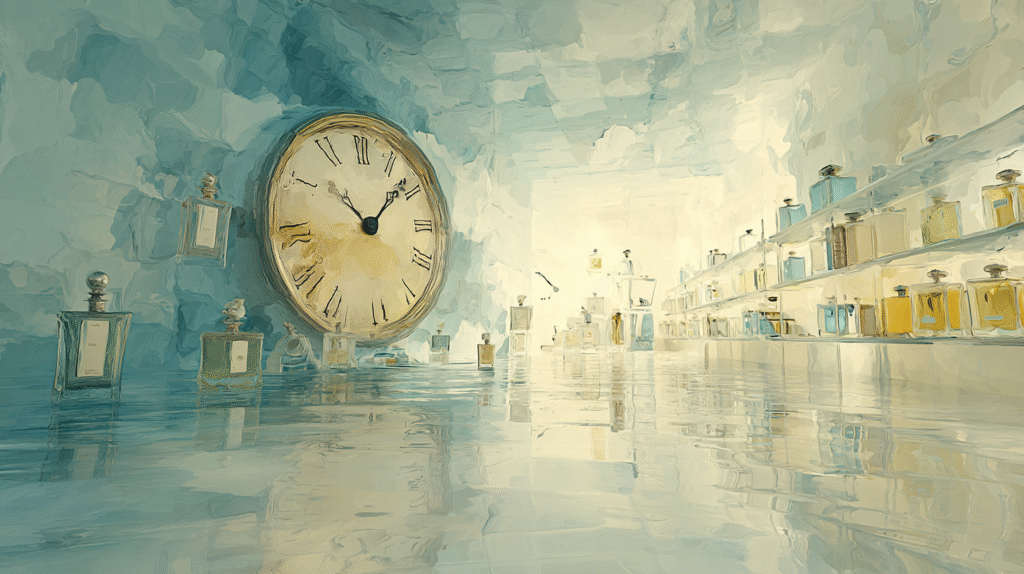
The Hidden Psychology of Time in Retail: From Scarcity to Timelessness
Airports, resorts, and luxury boutiques don’t just sell products. They sell time — scarce, abundant, distorted, or timeless. This essay explores how time shapes shopping behaviour.

The Illusion of Genius: Why We Mistake Narcissism for Insight
Not everyone who sounds like a genius is one. Our cultural radar is tuned to confidence, not complexity—narcissism, not nuance. In this piece, I trace the myth of genius through history, psychology, and systems, and suggest a quieter, more connective intelligence that the world urgently needs.
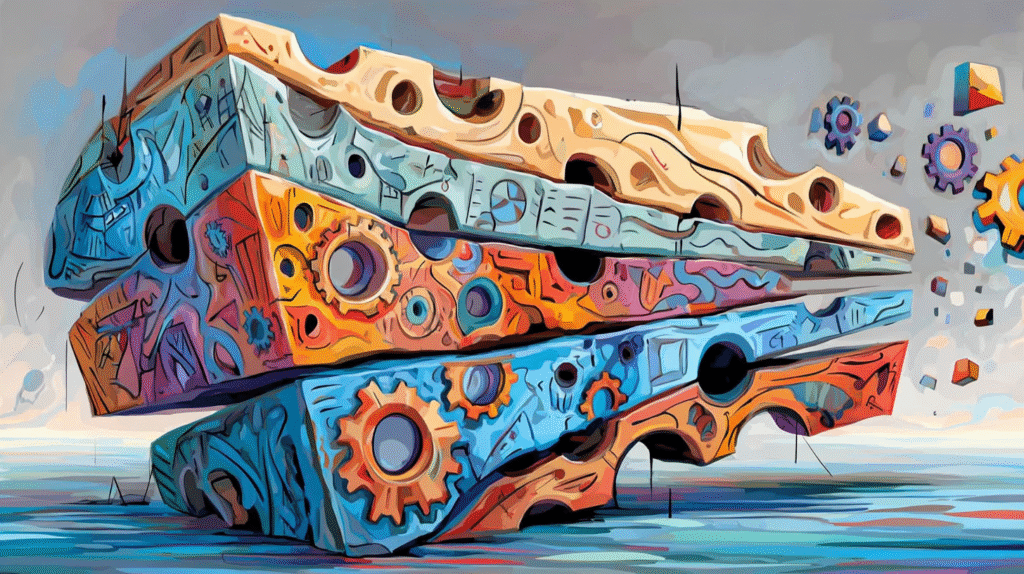
Swiss Cheese Thinking: From Disaster Metaphor to Strategic Advantage
We use the Swiss Cheese Model to explain how failures happen—but what if we flipped it? This article explores how Swiss Cheese Thinking can transform traditional strategic planning into a resilience-based, investor-grade framework that absorbs shocks instead of collapsing under them.

The Evolution of Luxury: From Gold Leaf to Inner Peace
Luxury isn’t about wealth—it’s about what’s missing. From postwar security to digital-era silence, what we call “luxury” keeps evolving. This essay explores how rarity shapes desire, how the luxury industry sells emotional scarcity, and why the most coveted experiences today are often the quietest.
Airport Retail and the Psychology of Stress: What Makes Travellers Spend?
That overpriced chocolate bar at Gate 14 wasn’t about hunger—it was about control. In this in-depth essay, we explore how Mood Repair Theory explains airport retail behaviour, especially in high-stress domestic terminals, and what airports can learn from global best practice to meet travellers’ emotional needs.
Why People Misunderstand Regional Towns - and How to Reframe the Story
Regional towns struggle not with invisibility—but with oversimplified mental maps. Drawing on schema theory, this article explores how Gippsland, Daylesford, and New Zealand have reshaped public perception—and what councils can learn from them.

When Faith Becomes a Cage: The Hidden World of Spiritual Coercion
How spiritual manipulation hides within respectable Christian communities—from campus ministries to prosperity churches. An exploration of psychological entrapment and the true cost of leaving.

The Pope in the Mirror: Outrage, AI, and the Performance of Power
Trump’s AI images and media theatrics aren’t signs of dementia—they’re a deliberate strategy. What happens when outrage becomes the operating system of politics?

The Gamified Journey: How Behavioral Design is Transforming the Psychology of Travel
Travel isn’t just about going somewhere anymore—it’s about becoming someone. The quiet revolution of gamification is reshaping how we experience destinations, and smart marketers are already playing several moves ahead.

The Inheritance We Carry: How Trauma Echoes Through Generations
A vivid, three-generation story of trauma, resilience, and mental illness reveals how genes, immune systems, emotional suppression, and experience weave together — and why understanding invisible legacies could be one of the most radical acts of healing.

Nothing’s Ever Good Enough Anymore
The coldest thing in Australia isn’t our beer, but how we’ve learned to respond to hope.

The Quiet Revolution: How Emotional Intelligence is Redefining Luxury Hospitality
Looking at the complexity of modern luxury hospitality through an emotional lens, this piece reveals a paradox: the most memorable experiences aren’t built from expensive materials, but from moments of genuine human connection that create lasting emotional imprints.

Engineered to Spend: The Hidden Psychology Behind Airport Layouts
Airports aren’t just about planes and passports—they’re carefully engineered environments that shape your behavior at every step. From retail layouts to time pressure, here’s how airport design nudges you more than you realize.

The Reciprocity Effect: How Strategic Favors Create Powerful Relationships
That free cheese cube creates an invisible thread of obligation—the same primal mechanism that once ensured tribal survival now shapes your shopping cart.

Breaking Family Cycles: How to Heal and Thrive After Estrangement
Estrangement can feel like a rupture, severing not just the bond with a parent but rippling into other aspects of your life. It can create unintended divides with other family members, echoing the same patterns of disconnection and misunderstanding that caused the original estrangement. These dynamics may leave you asking yourself: Am I doomed to […]