
Regional Development
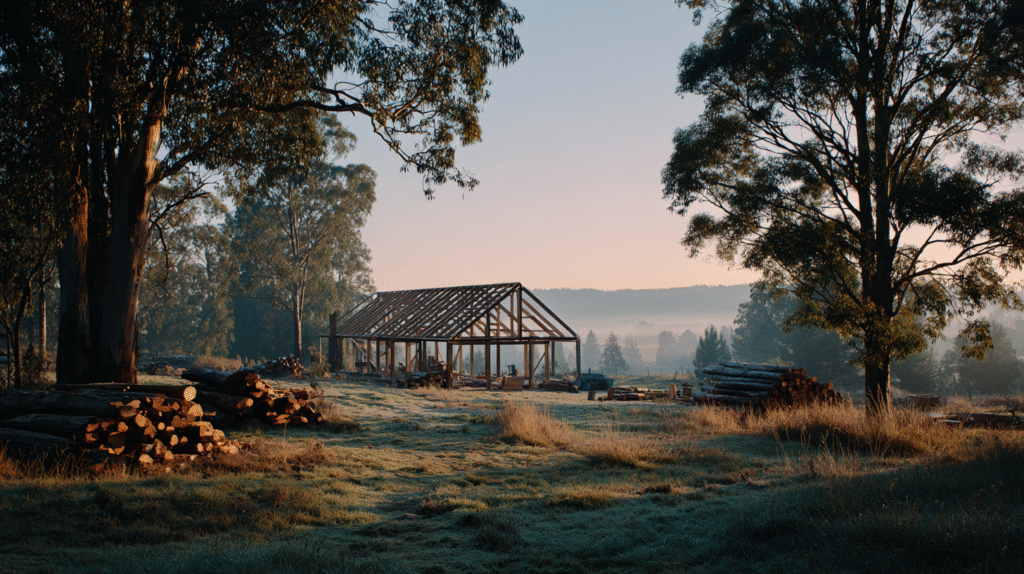
A Transition Built on Sand: The Original LDS Plan and the 2030 Assumption - 2
In 2019 the Victorian Forestry Plan set a 2030 end date for native harvesting. That ten year horizon shaped every part of the transition. When the date was brought forward by six years, the logic collapsed. Part 2 examines how an interrupted timeline left towns exposed before the real work could begin.
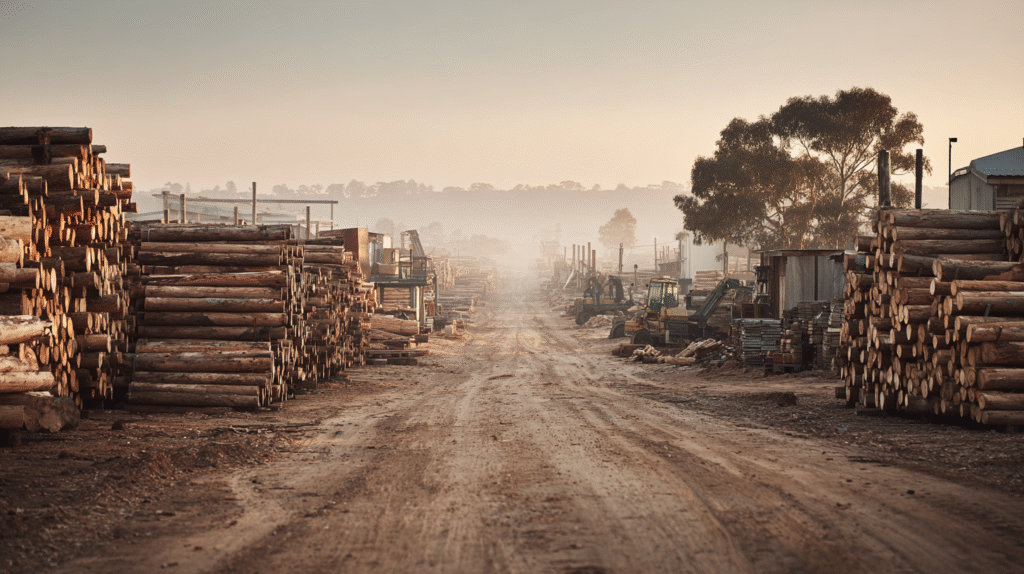
The Myth of Blame: Why AKD’s Closure Wasn’t Caused by the Native Timber Ban - 1
AKD Yarram’s closure has been framed as a casualty of the native timber ban, but that story collapses two different industries into one. The mill processed softwood, not native hardwood. The real causes were national construction turbulence and a compressed transition timeline that left towns exposed.
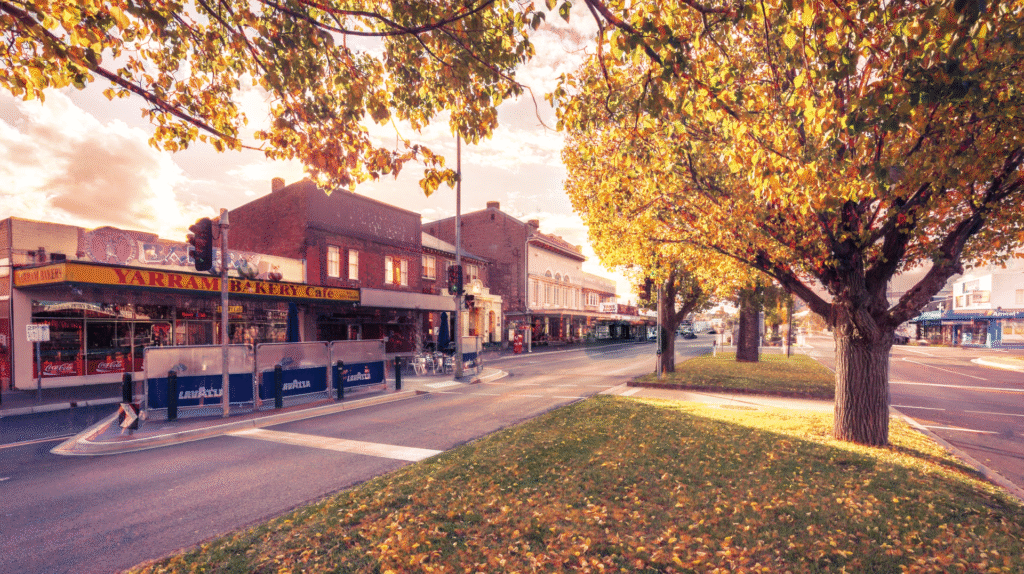
When a town becomes the Shock Absorber
The closure of AKD’s Yarram mill is more than a job loss. It’s a systemic emergency that exposes how vulnerable small towns become when economic shocks arrive without a formal response system. Yarram’s community is already mobilising, but goodwill alone can’t carry what should be a structured, predictable framework for regional crises.

We Misread the Whole System - Yarram Paid the Price
The AKD mill didn’t close because housing collapsed – it closed because two long-running structural failures collided in one town. Here’s what really happened, and what Yarram needs next.

Lessons From the Country Store: What Big Retail Forgot About Trust
Small country towns show how trust, reciprocity, and human scale create a stronger retail model. This article explains why Gen Z aligns with country retail and what big brands can learn.
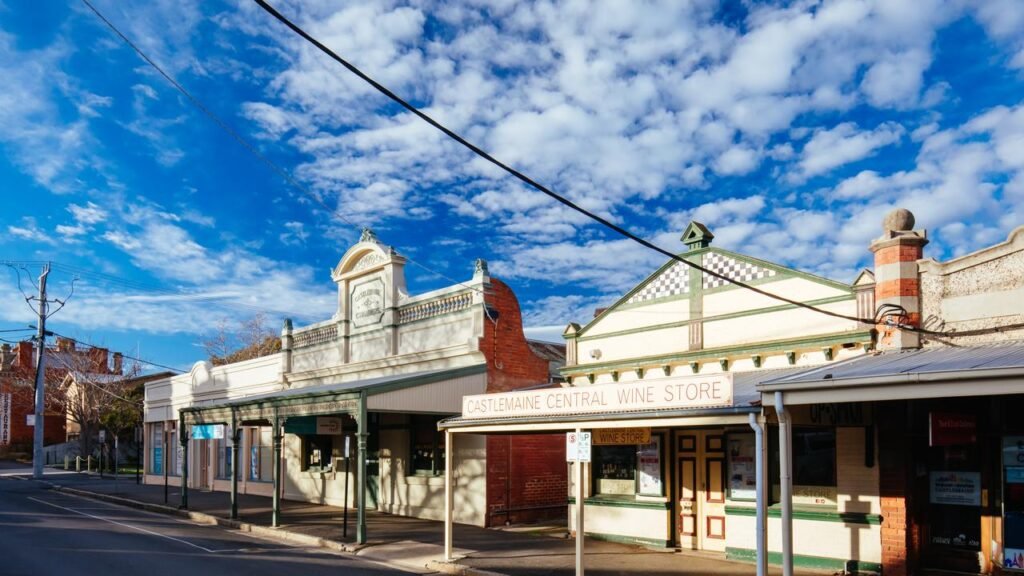
Small Towns, Big Relief: Nostalgia, Tradition, and the Break From Self
Small towns do more than change the scenery. They give visitors a break from themselves. This piece unpacks how nostalgia and tradition create identity relief that boosts spend, dwell time, and community value. Practical takeaways for tourism, luxury, food, museums, and policy.
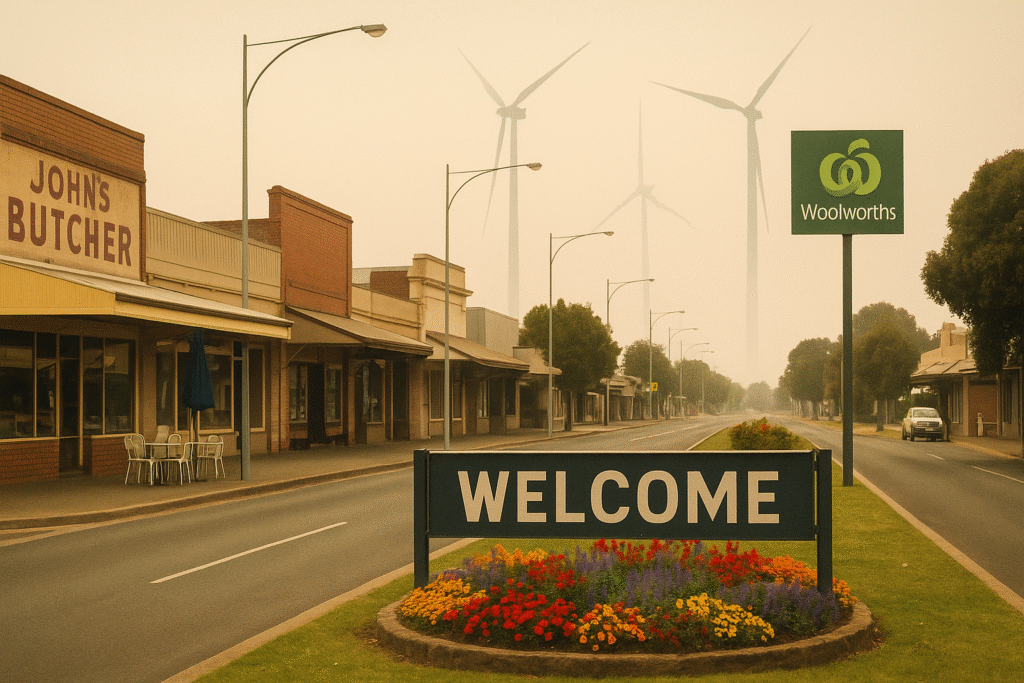
Opportunism or Partnership? The Ethics of Regional Investment
Regional investment can bring jobs and services, but also resentment when trust is broken. This article explores reciprocity, legitimacy, and the ethics of belonging in small towns.

Urban Refugees: When City Migrants Rewrite Country Life
City migrants bring renewal to small towns but also risk reshaping them in ways that erode what made them attractive. This article explores the café paradox, the culture clash, and why belonging is earned, not claimed.
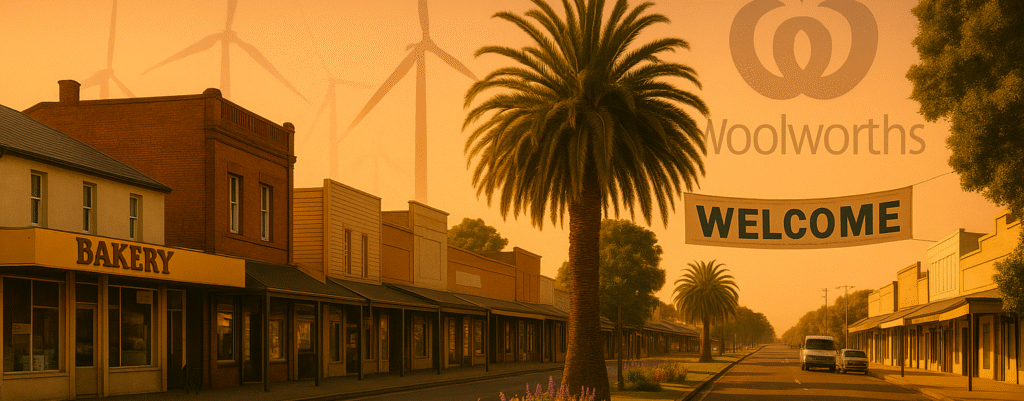
Why Big Business Struggles to Belong in Small Towns
When big business arrives in a small town, success isn’t measured only in sales. Southerly Ten’s patience in Gippsland shows how trust can be earned, while Woolworths and Bendigo Bank reveal how quickly it can be lost. Small towns measure belonging not in quarters, but in decades. This article explores why culture, memory, and legitimacy matter more than profit when corporates cross the town gate.
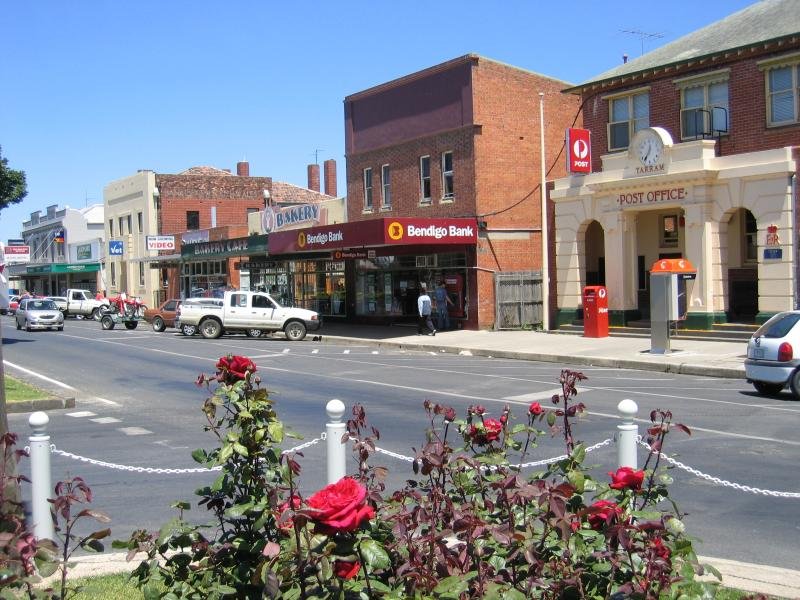
What Happens When the Last Bank Leaves Town?
As more banks close their doors across rural Australia, communities are turning to post offices for basic services—but can they really replace what’s been lost?
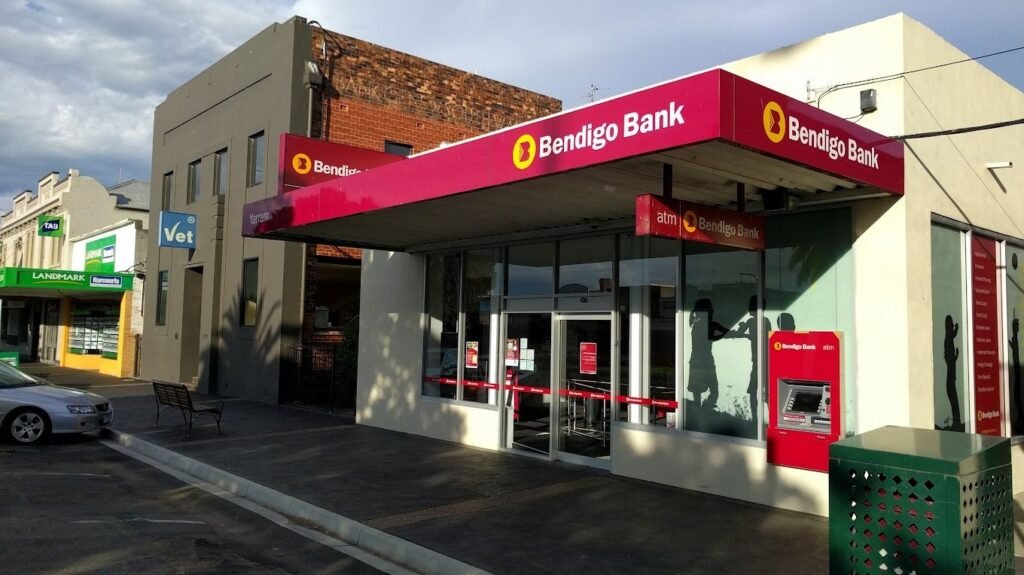
The Future of Banking in Yarram: Local, Accountable, Ours
With Bendigo Bank closing its Yarram branch, locals have a unique opportunity: start a Community Bank, backed by state grants through the Future of Yarram program. This article explores the model, the costs, and the step-by-step process to bring essential banking back under community control.
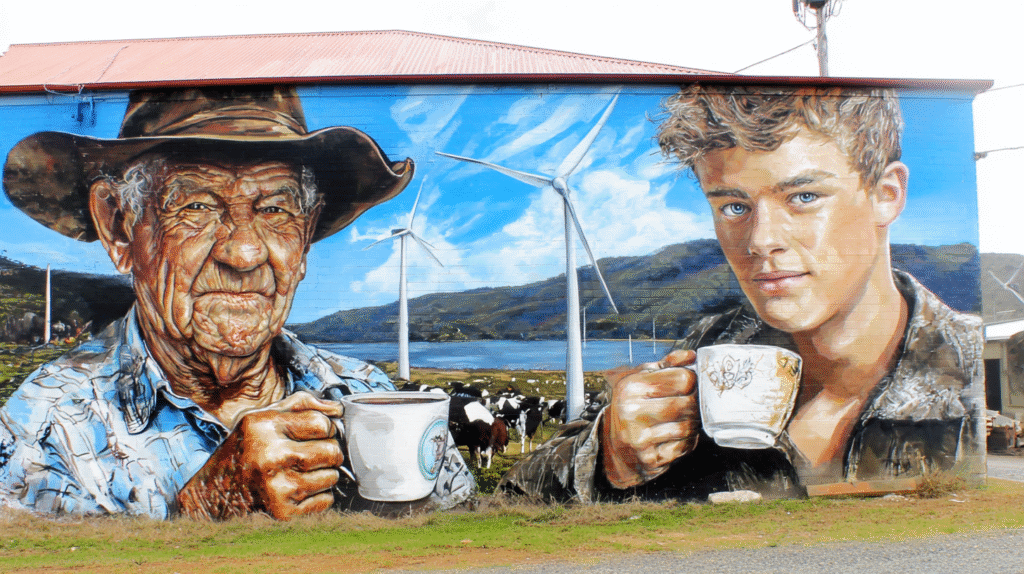
What Is Narrative Transportation Theory—and Why Should Regional Tourism Care?
Inside every old town lives a new story—emerging not instead of, but because of what came before.

Why People Misunderstand Regional Towns - and How to Reframe the Story
Regional towns struggle not with invisibility—but with oversimplified mental maps. Drawing on schema theory, this article explores how Gippsland, Daylesford, and New Zealand have reshaped public perception—and what councils can learn from them.