
Throughline

The Hardest Story to Question Is Your Own
It is easy to accept that perception, memory and interpretation are imperfect in the abstract. The difficult part comes when a particular piece of evidence unsettles the account we have used for years to explain ourselves, another person or the course of our life.
When Story Becomes History
Groups do not remember in the same way individuals do. Families, organisations and nations preserve records, repeat stories and inherit assumptions. Information can survive while its meaning fades, leaving institutions technically in possession of the past but unable to learn from it.

The Characters in My Story
Our life stories contain other people, but we rarely possess their full story. We observe behaviour, infer motives and assign meaning. Over time, those interpretations can become so familiar that we forget which parts were witnessed and which parts were supplied by us.
The Person I Need to Be
We do more than remember what happened. We organise events into an account that explains who we are, how we became that person and what kind of person we expect ourselves to be next. Identity shapes memory, but memory also helps maintain identity.

Memory Is Not an Archive
Memory feels like retrieval, as though the past has been stored somewhere intact. It is closer to reconstruction. Each act of remembering draws on surviving fragments, later knowledge, emotion and the meaning an event has acquired since it happened.

The Unreliable Witness
We tend to think memory is where our account of an event becomes unreliable. But the process begins earlier. Attention is selective, perception is incomplete, and two people can experience the same event while noticing very different things.
Deciding Under Constraint
The data is good. The model is sound. And the decision still doesn’t hold the way it should. The problem isn’t the analysis. It’s what the analysis assumes about the stability of the world it’s describing.
Why Institutions Feel Slower Than the World Around Them
The frustration with institutions isn’t wrong. But the explanation usually is. The problem isn’t political will or institutional timidity. It’s a design built for a world that no longer exists.
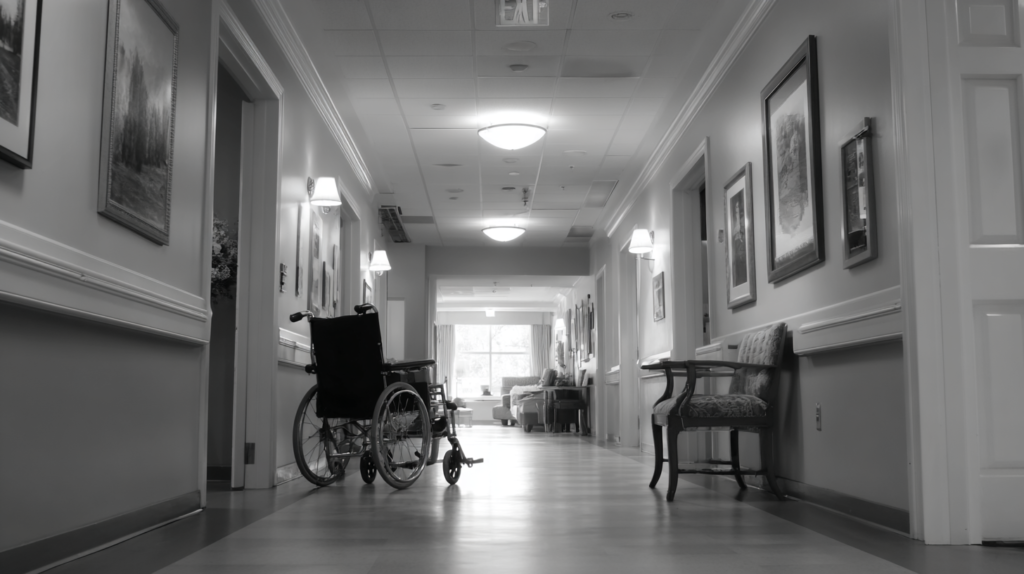
When Care Meets Constraint
Efficiency built the care systems we have. It is not sufficient to sustain them through what’s coming. The pressures arriving into health and aged care are structural, not cyclical, and the response needs to match.
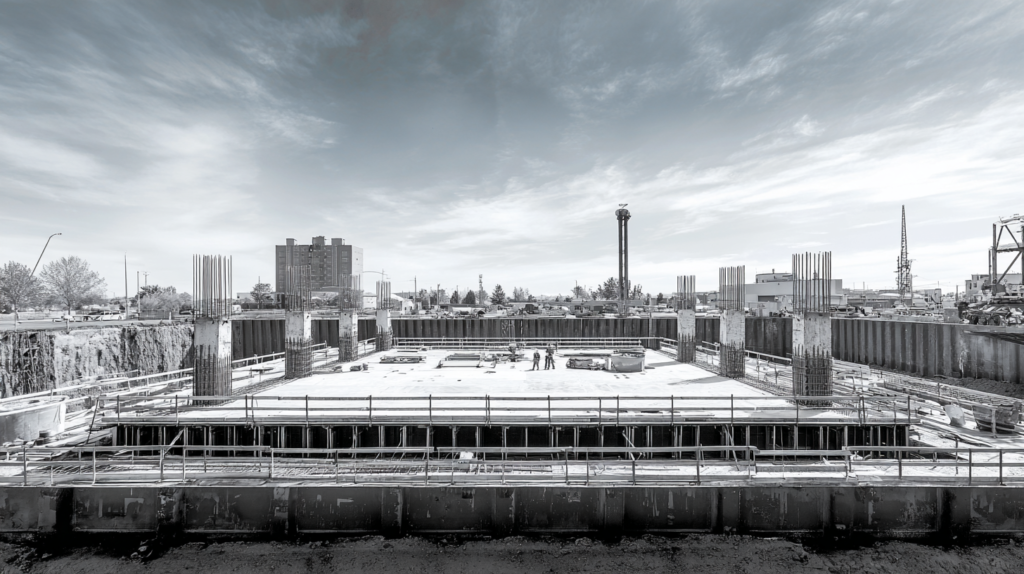
When Feasibility Stops Being Feasible
The model is sound. The assumptions have been stress-tested. And the project is still harder to deliver than the numbers suggested. The problem isn’t the modelling. It’s what the model assumes about the world.

Luxury as Signal, Luxury as Sanctuary
Luxury has always communicated something beyond the object or experience itself. Status, taste, access, position within a hierarchy that does not need to be made explicit to be understood. These signals are embedded in brands, materials, locations, and the particular grammar of how luxury presents itself. For decades, this outward-facing function has been central to […]

Luxury Under Pressure
Luxury has always operated by a different logic than the rest of the market. Where most consumption responds to price, luxury responds to meaning. The relationship between cost and demand runs in directions that conventional economics finds awkward. Price increases can strengthen desirability. Scarcity enhances value. The signal carried by the purchase often matters more […]

When Travel Becomes a Calculation
Travel isn’t declining. It’s becoming more deliberate. The question travellers are asking at the start of the process has quietly changed, and it’s reshaping the industry in ways aggregate demand figures don’t show.

When the Customer Stops Behaving
Consumers aren’t being irrational. They’re being adaptive. Kim Hatton on why customer behaviour has changed and what that means for commercial strategy and pricing models.
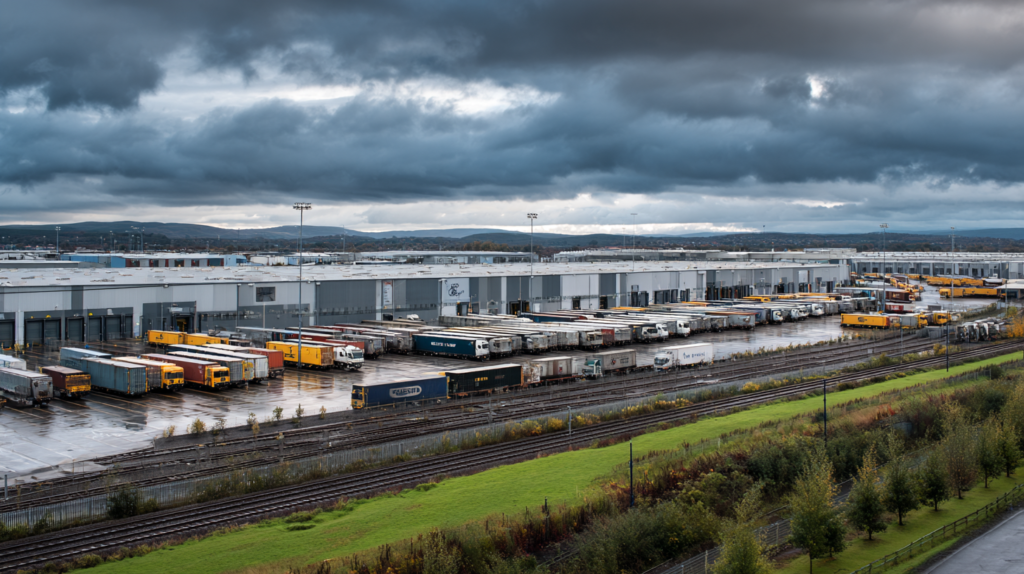
The Resilience Economy
Efficiency built the last era. Resilience is defining the next one. What that shift actually requires from organisations navigating it.
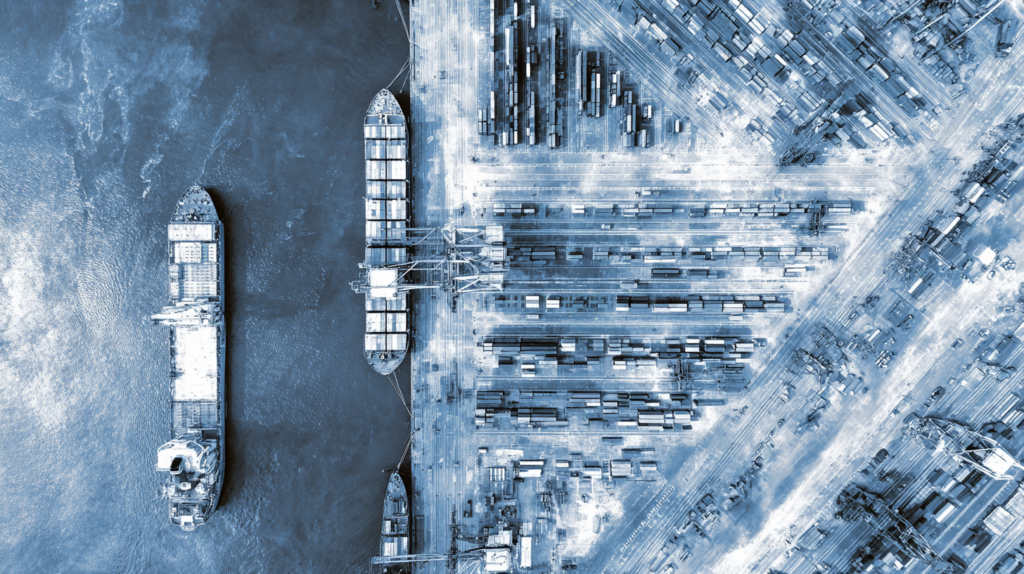
The Fragmented World
Deglobalisation is the wrong word for what’s happening. Countries aren’t retreating from trade. They’re becoming selective about dependency. That distinction changes everything.

AI Isn't Digital. It's Physical.
AI’s real limits aren’t technical. They’re physical. Kim Hatton on why energy grids, water, and supply chains will determine where artificial intelligence actually goes.
Inflation That Won't Behave
When inflation stops responding to the tools designed to contain it, the problem isn’t the instrument. It’s the system the instrument is trying to regulate.
Why Energy Is Now a Governing Variable
Energy isn’t just expensive. It’s becoming the condition under which everything else operates. A strategic analysis for leaders who need to see the shift early.
The Constraint Era
The system hasn’t broken. But it has reorganised
around different pressures. Here is what that shift actually
means, and why most instincts formed in the previous era
are becoming less useful.

The Silence That Gets Misread: Why Children Often Don’t Disclose Abuse
Delayed disclosure of child abuse is common and explainable. This article examines the evidence behind silence, timing, and why it is often misinterpreted.
The System You’re Inside (And Why You Can’t See It)
Most people believe they are making independent decisions. In reality, they are responding to systems they cannot see. From algorithms to economic structures to social norms, the real driver of behaviour is rarely the individual—it’s the environment shaping what feels possible, reasonable, or true.

The Calm That Sells: Why Quiet Spaces Drive Better Decisions
Most environments are designed to stimulate. The most effective ones do the opposite. Calm doesn’t slow decisions—it improves them.

The Architecture of Yes: Designing Spaces People Naturally Move Towards
Some environments push behaviour. Others remove the need to push at all. The difference lies in how friction is designed—or eliminated.
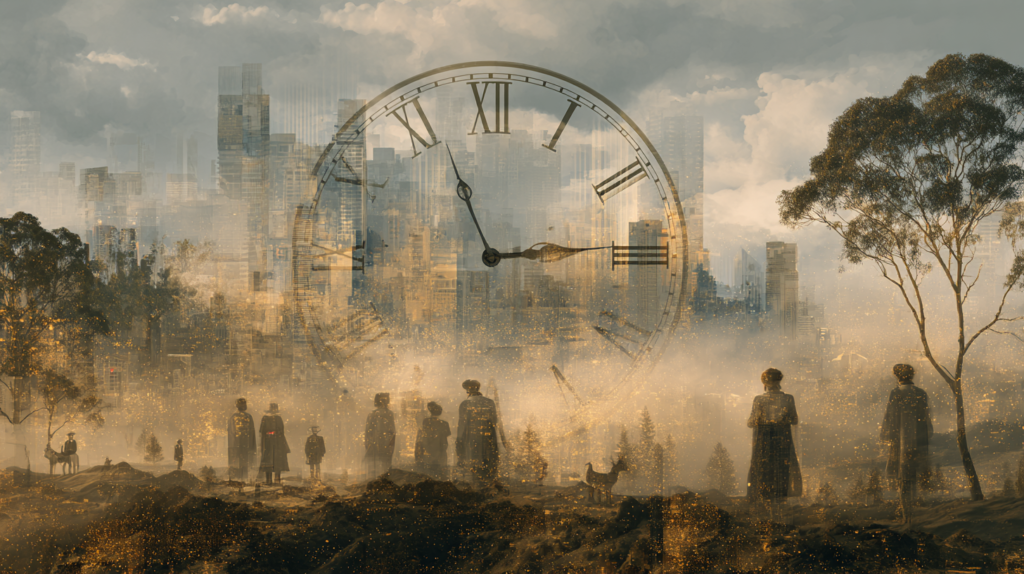
The Politics of Time
What if many of our biggest crises are temporal? This article explores how modern assumptions about time quietly shape aged care, climate policy and governance.

The New Luxury Signal: Emotional Stability
Luxury resorts used to sell status and spectacle. Now they sell something quieter: relief. Guests arrive overloaded, and the best resorts are redesigning around sensory calm, reduced friction, and emotional steadiness. Modern luxury is less about what you add, and more about what you remove.
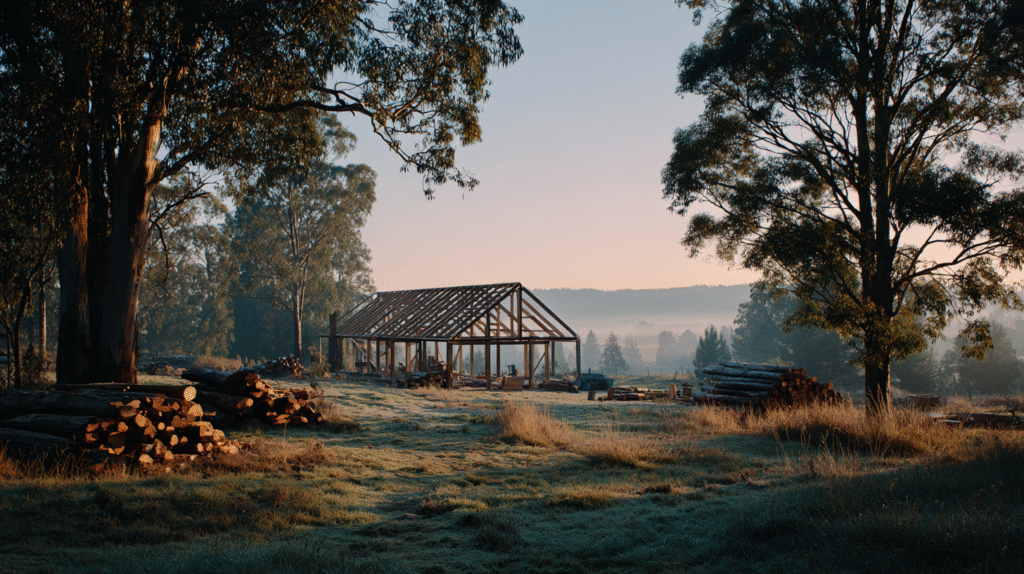
A Transition Built on Sand: The Original LDS Plan and the 2030 Assumption - 2
In 2019 the Victorian Forestry Plan set a 2030 end date for native harvesting. That ten year horizon shaped every part of the transition. When the date was brought forward by six years, the logic collapsed. Part 2 examines how an interrupted timeline left towns exposed before the real work could begin.
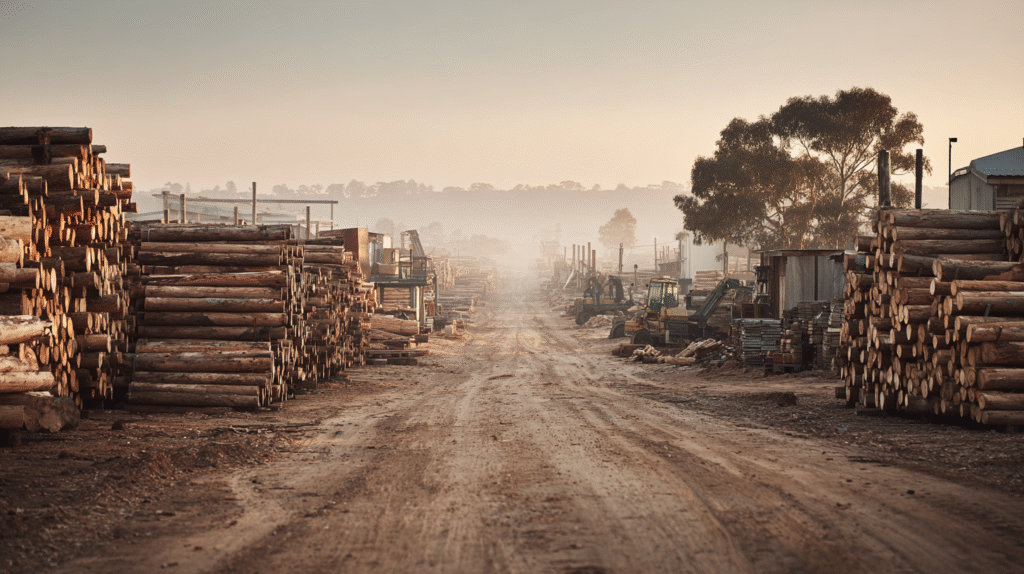
The Myth of Blame: Why AKD’s Closure Wasn’t Caused by the Native Timber Ban - 1
AKD Yarram’s closure has been framed as a casualty of the native timber ban, but that story collapses two different industries into one. The mill processed softwood, not native hardwood. The real causes were national construction turbulence and a compressed transition timeline that left towns exposed.
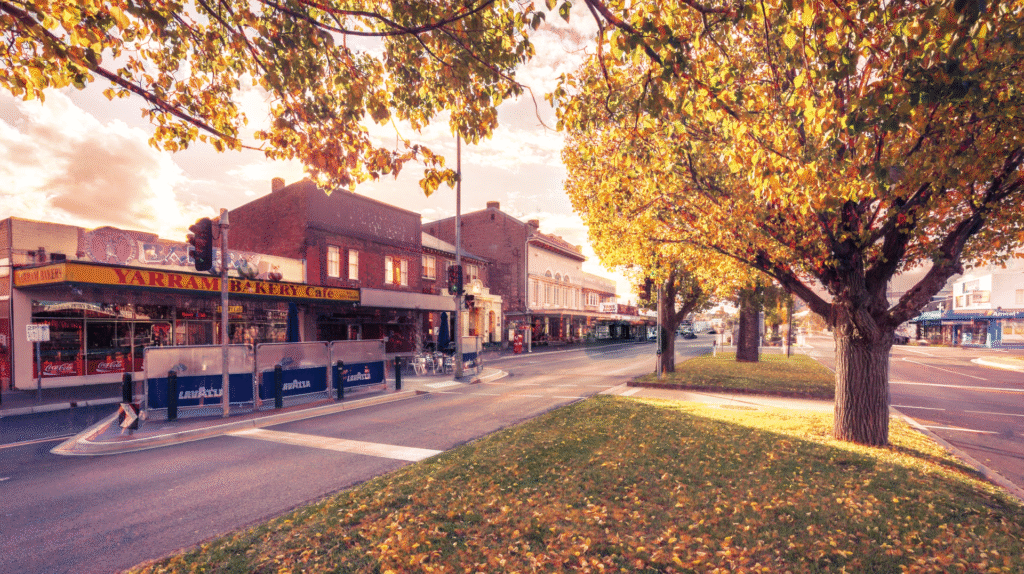
When a town becomes the Shock Absorber
The closure of AKD’s Yarram mill is more than a job loss. It’s a systemic emergency that exposes how vulnerable small towns become when economic shocks arrive without a formal response system. Yarram’s community is already mobilising, but goodwill alone can’t carry what should be a structured, predictable framework for regional crises.
We Misread the Whole System - Yarram Paid the Price
The AKD mill didn’t close because housing collapsed – it closed because two long-running structural failures collided in one town. Here’s what really happened, and what Yarram needs next.