
behavioural economics
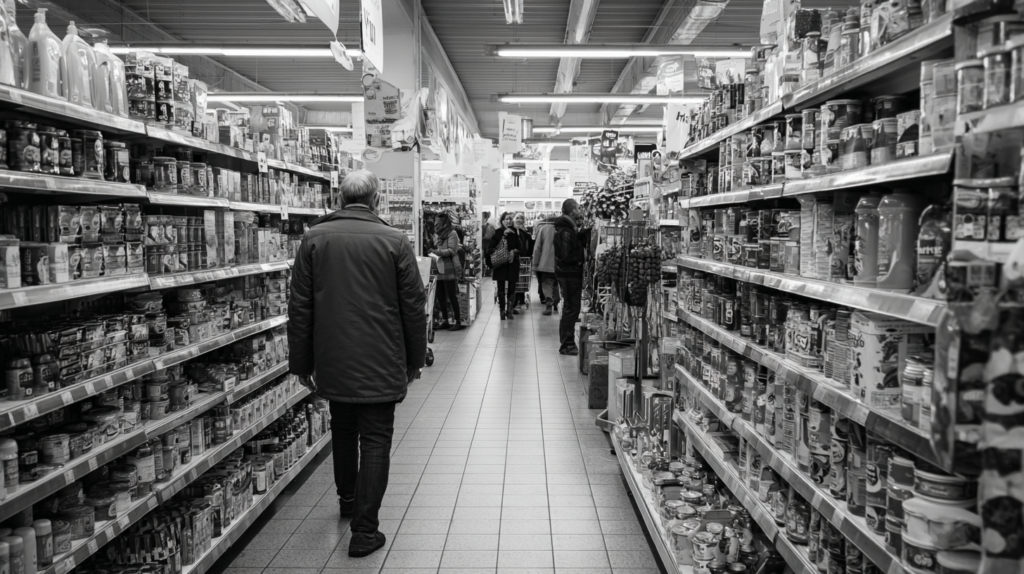
When the Customer Stops Behaving
Consumers aren’t being irrational. They’re being adaptive. Kim Hatton on why customer behaviour has changed and what that means for commercial strategy and pricing models.
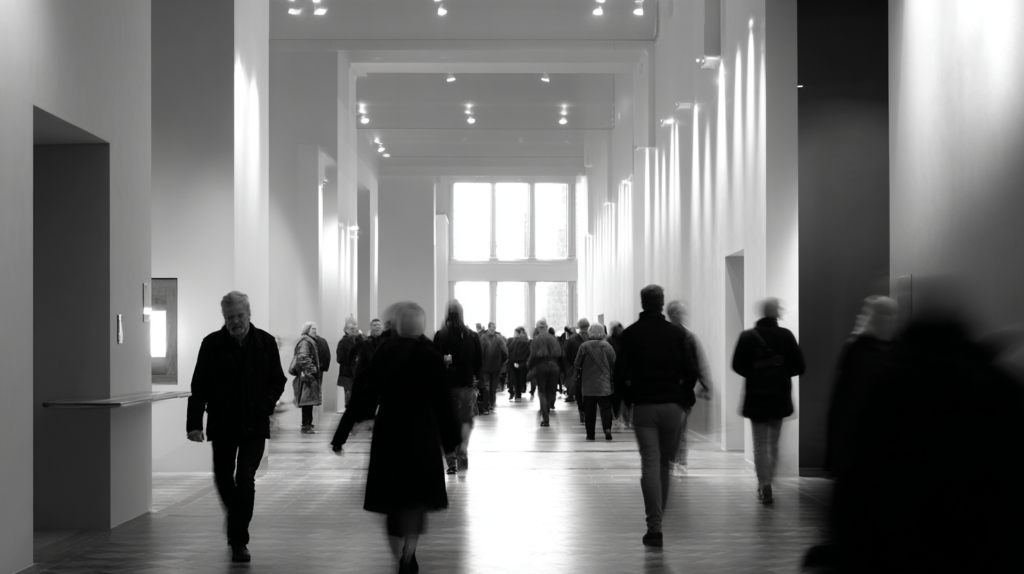
The System You’re Inside (And Why You Can’t See It)
Most people believe they are making independent decisions. In reality, they are responding to systems they cannot see. From algorithms to economic structures to social norms, the real driver of behaviour is rarely the individual—it’s the environment shaping what feels possible, reasonable, or true.
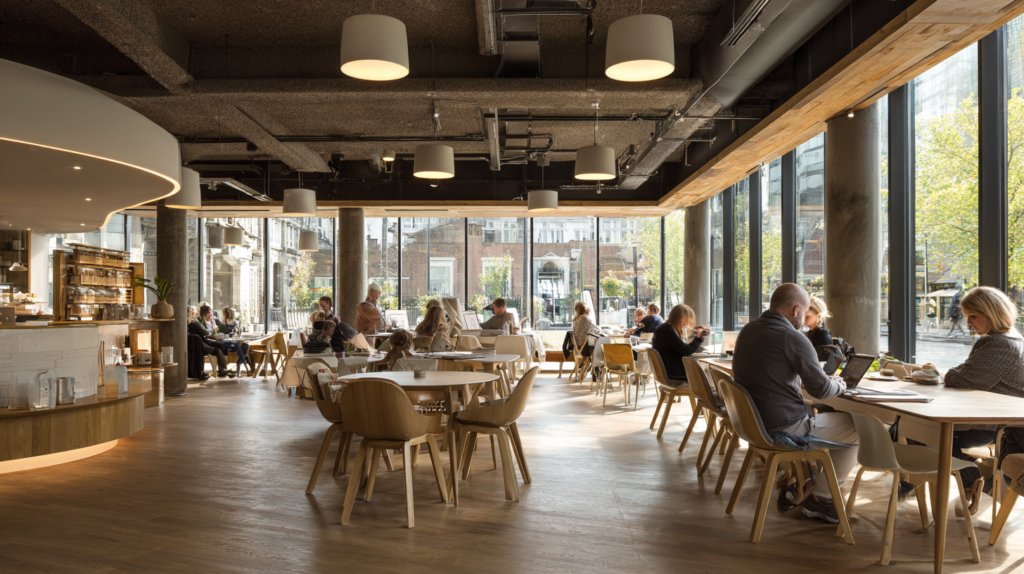
The Calm That Sells: Why Quiet Spaces Drive Better Decisions
Most environments are designed to stimulate. The most effective ones do the opposite. Calm doesn’t slow decisions—it improves them.
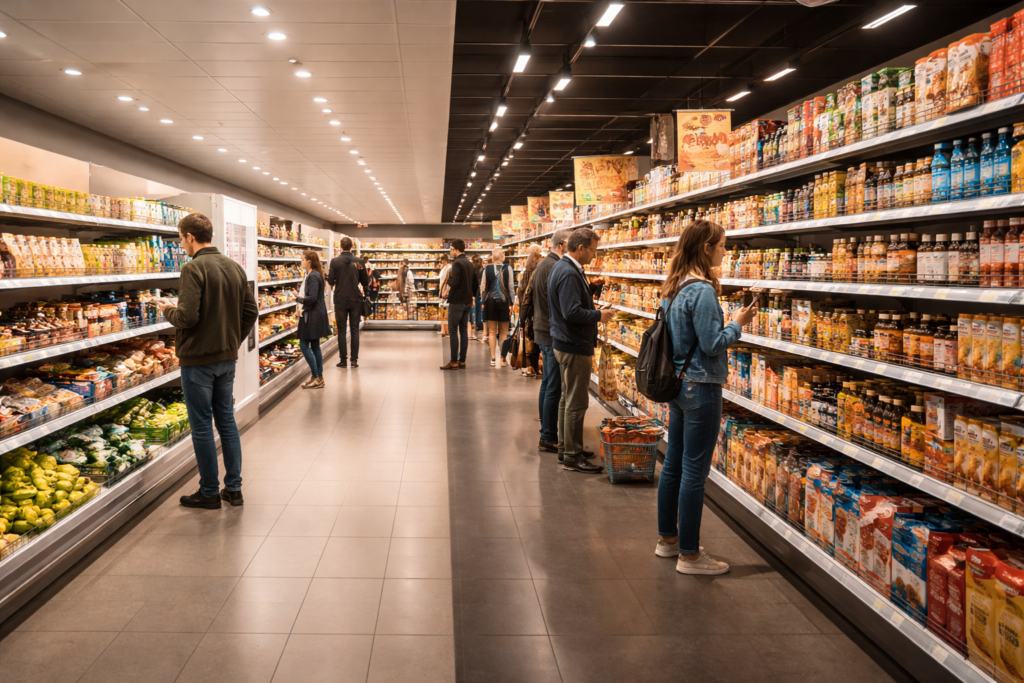
Aldi vs Everyone: Why Less Choice Changes Behaviour
Aldi doesn’t just sell groceries differently—it changes how people think, choose, and move. This is what happens when you design for constraint instead of abundance.
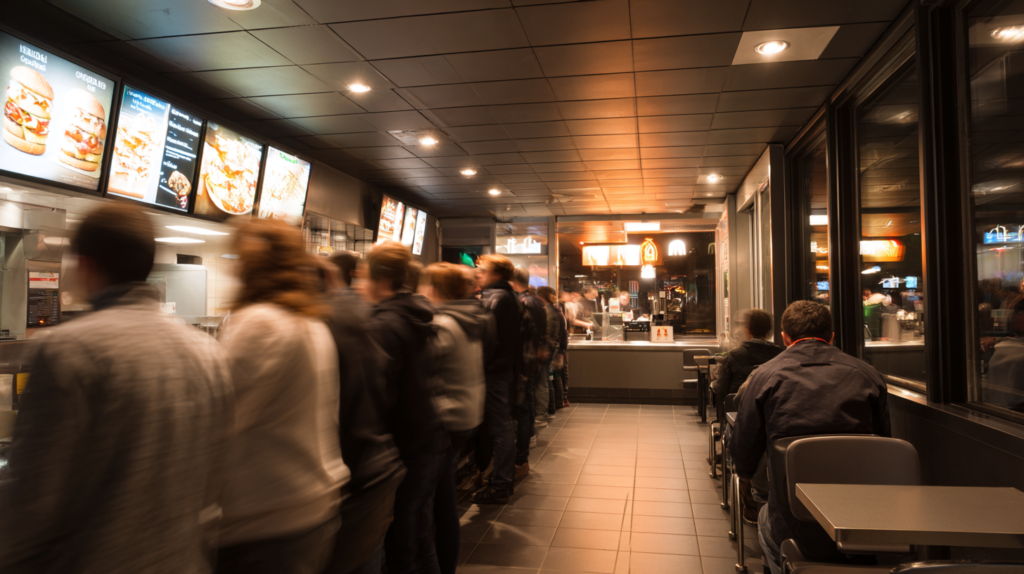
Speed, Stress, and Spend
Most environments don’t just contain behaviour—they produce it. This image reveals how design quietly creates zones of compulsion and zones of choice within the same space.
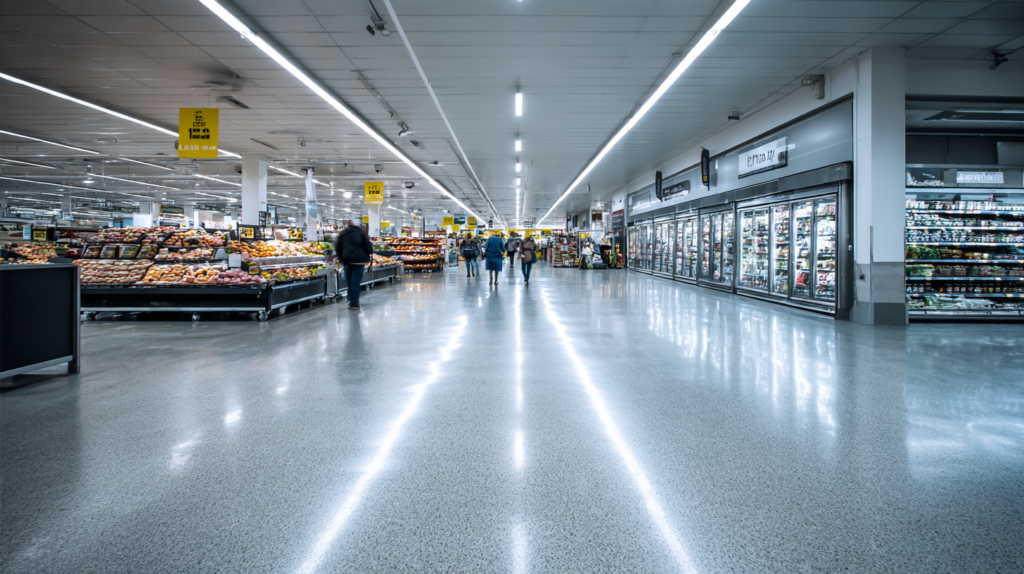
The Store Is the Strategy
You think you’re choosing what to buy. You’re not. From layout to lighting, retail environments quietly shape your decisions before you even realise it. Once you see it, you can’t unsee it.
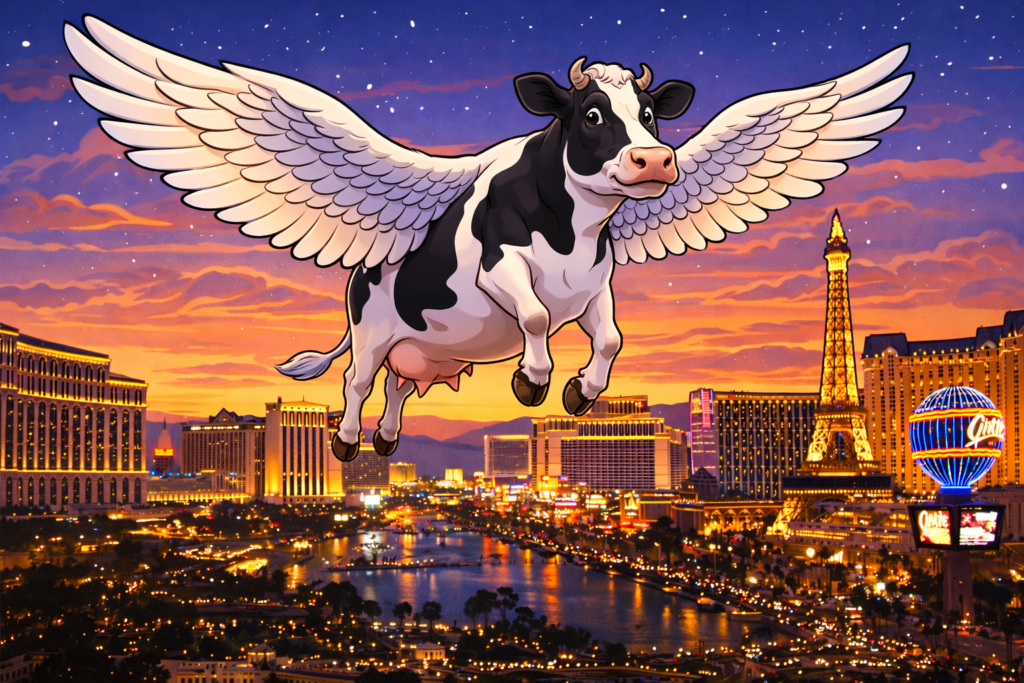
The Psychology of Retail: What Cows and Casinos Reveal About Customer Behaviour
What do dairy cows and casinos have in common with supermarkets, airports, and resorts? More than most retailers realise. This article explores the behavioural systems that shape customer flow, reduce friction, influence time perception, and drive sustainable yield. From routine and reinforcement to stress and throughput, the mechanics behind milk production and gambling floors reveal powerful lessons for retail strategy, customer experience design, and revenue optimisation.
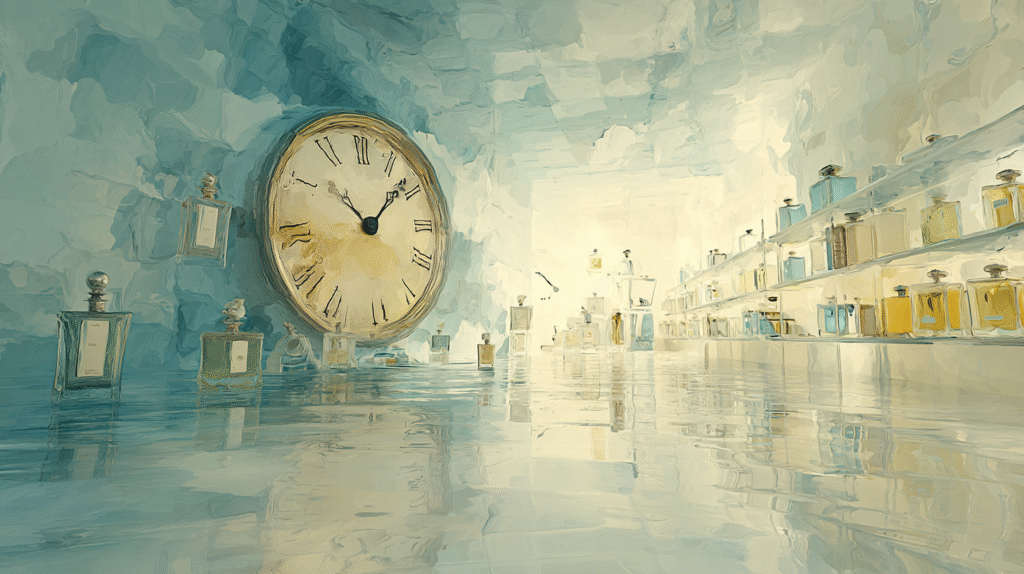
The Hidden Psychology of Time in Retail: From Scarcity to Timelessness
Airports, resorts, and luxury boutiques don’t just sell products. They sell time — scarce, abundant, distorted, or timeless. This essay explores how time shapes shopping behaviour.