
consumer behaviour
When the Customer Stops Behaving
Consumers aren’t being irrational. They’re being adaptive. Kim Hatton on why customer behaviour has changed and what that means for commercial strategy and pricing models.

The Calm That Sells: Why Quiet Spaces Drive Better Decisions
Most environments are designed to stimulate. The most effective ones do the opposite. Calm doesn’t slow decisions—it improves them.

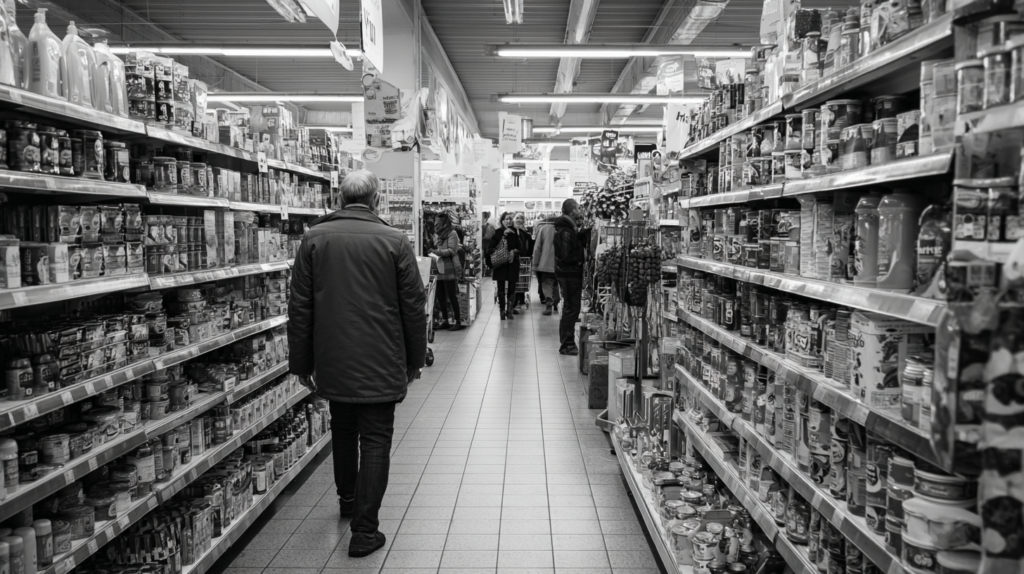
Aldi vs Everyone: Why Less Choice Changes Behaviour
Aldi doesn’t just sell groceries differently—it changes how people think, choose, and move. This is what happens when you design for constraint instead of abundance.

The Store Is the Strategy
You think you’re choosing what to buy. You’re not. From layout to lighting, retail environments quietly shape your decisions before you even realise it. Once you see it, you can’t unsee it.

The New Luxury Signal: Emotional Stability
Luxury resorts used to sell status and spectacle. Now they sell something quieter: relief. Guests arrive overloaded, and the best resorts are redesigning around sensory calm, reduced friction, and emotional steadiness. Modern luxury is less about what you add, and more about what you remove.

Lessons From the Country Store: What Big Retail Forgot About Trust
Small country towns show how trust, reciprocity, and human scale create a stronger retail model. This article explains why Gen Z aligns with country retail and what big brands can learn.

Small Towns, Big Relief: Nostalgia, Tradition, and the Break From Self
Small towns do more than change the scenery. They give visitors a break from themselves. This piece unpacks how nostalgia and tradition create identity relief that boosts spend, dwell time, and community value. Practical takeaways for tourism, luxury, food, museums, and policy.

Nothing’s Ever Good Enough Anymore
The coldest thing in Australia isn’t our beer, but how we’ve learned to respond to hope.

Why Touch Sells: The Hidden Psychology of Shopping
From neuroscience to retail strategy: How our most primitive sense shapes modern buying decisions, and why digital commerce is making touch more vital than ever.