
human behaviour

The Hardest Story to Question Is Your Own
It is easy to accept that perception, memory and interpretation are imperfect in the abstract. The difficult part comes when a particular piece of evidence unsettles the account we have used for years to explain ourselves, another person or the course of our life.

The Characters in My Story
Our life stories contain other people, but we rarely possess their full story. We observe behaviour, infer motives and assign meaning. Over time, those interpretations can become so familiar that we forget which parts were witnessed and which parts were supplied by us.
The Person I Need to Be
We do more than remember what happened. We organise events into an account that explains who we are, how we became that person and what kind of person we expect ourselves to be next. Identity shapes memory, but memory also helps maintain identity.
Memory Is Not an Archive
Memory feels like retrieval, as though the past has been stored somewhere intact. It is closer to reconstruction. Each act of remembering draws on surviving fragments, later knowledge, emotion and the meaning an event has acquired since it happened.
The Unreliable Witness
We tend to think memory is where our account of an event becomes unreliable. But the process begins earlier. Attention is selective, perception is incomplete, and two people can experience the same event while noticing very different things.

The Child Who Became the Mask
Some forms of imposter syndrome are not about confidence. They are about authorship. For those shaped by rejection, secrecy, abuse, or parentification, the deeper wound may be the inability to feel legitimate inside their own competence.
The Version of You Other People Carry
Families do not always pass down facts. They pass down emotional maps. This essay explores how inherited stories become certainty, how certainty crowds out curiosity, and why maturity asks us to question the narratives we absorbed before understanding arrived.
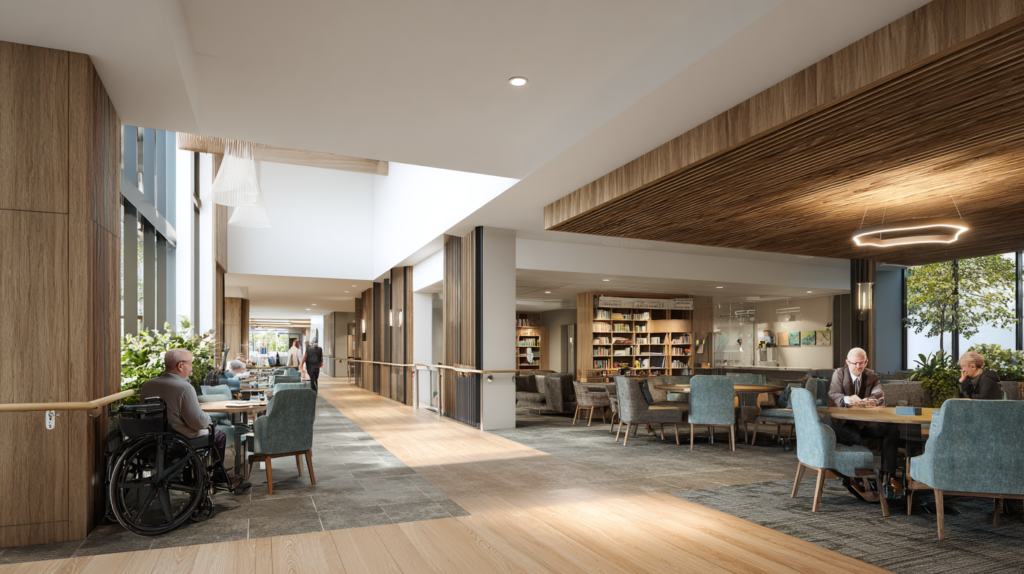
Care by Design: How Environments Do the Work for Us
Most systems ask people to adapt. The best ones remove the need. Care isn’t just delivered through people—it’s embedded in the environments we design, shaping safety, behaviour, and outcomes in ways we rarely notice.
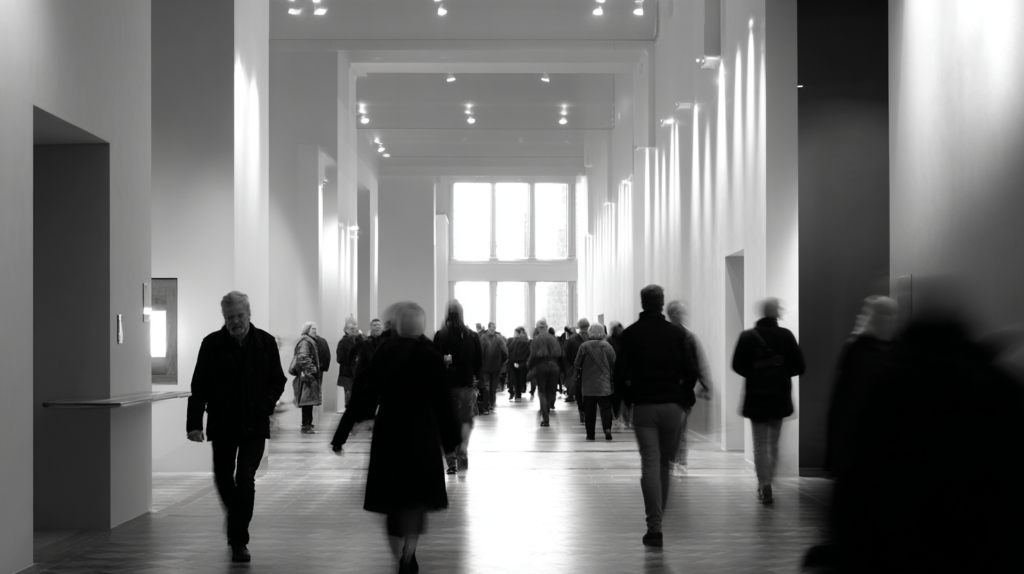
The System You’re Inside (And Why You Can’t See It)
Most people believe they are making independent decisions. In reality, they are responding to systems they cannot see. From algorithms to economic structures to social norms, the real driver of behaviour is rarely the individual—it’s the environment shaping what feels possible, reasonable, or true.
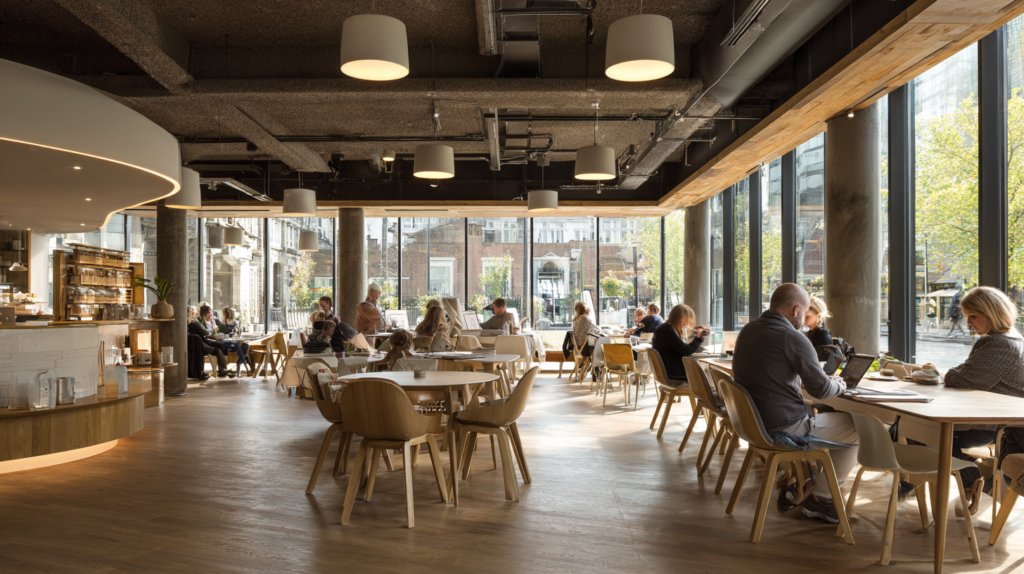
The Calm That Sells: Why Quiet Spaces Drive Better Decisions
Most environments are designed to stimulate. The most effective ones do the opposite. Calm doesn’t slow decisions—it improves them.
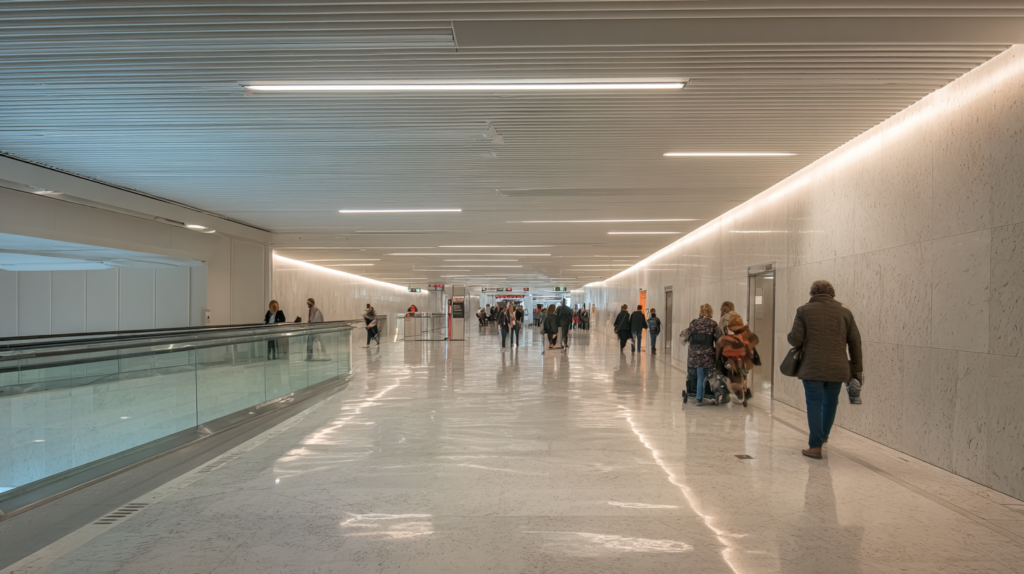
The Architecture of Yes: Designing Spaces People Naturally Move Towards
Some environments push behaviour. Others remove the need to push at all. The difference lies in how friction is designed—or eliminated.
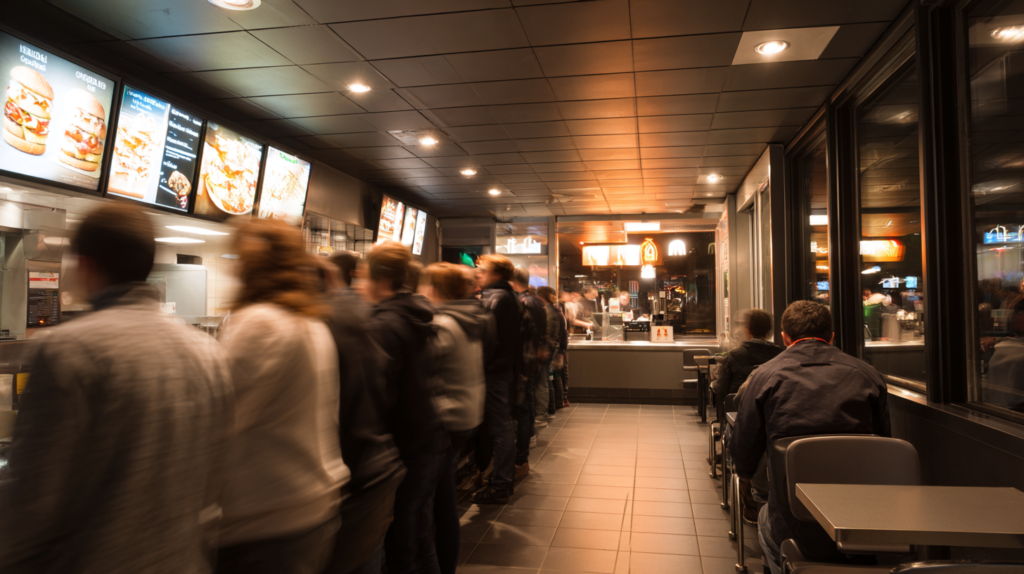
Speed, Stress, and Spend
Most environments don’t just contain behaviour—they produce it. This image reveals how design quietly creates zones of compulsion and zones of choice within the same space.
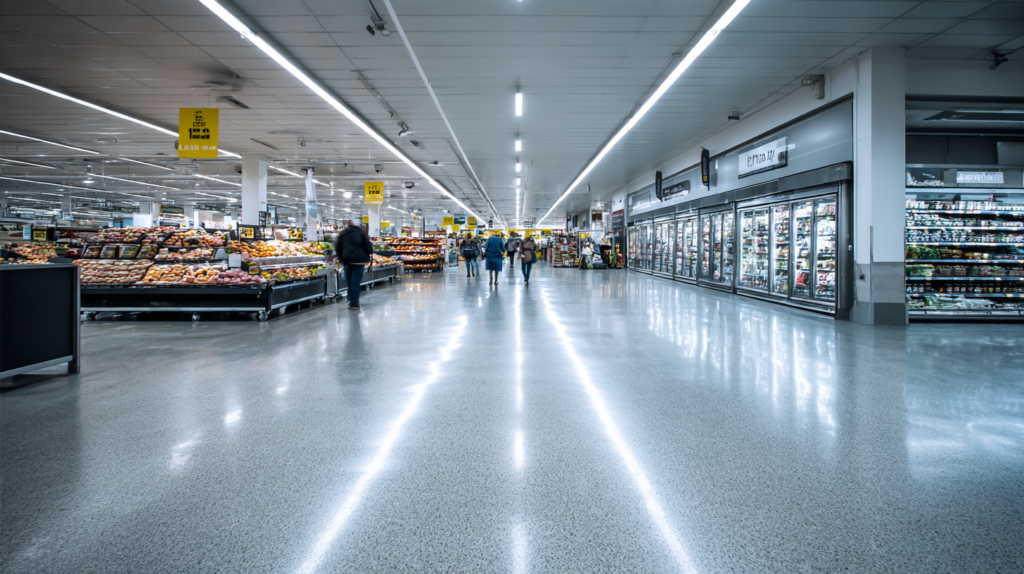
The Store Is the Strategy
You think you’re choosing what to buy. You’re not. From layout to lighting, retail environments quietly shape your decisions before you even realise it. Once you see it, you can’t unsee it.
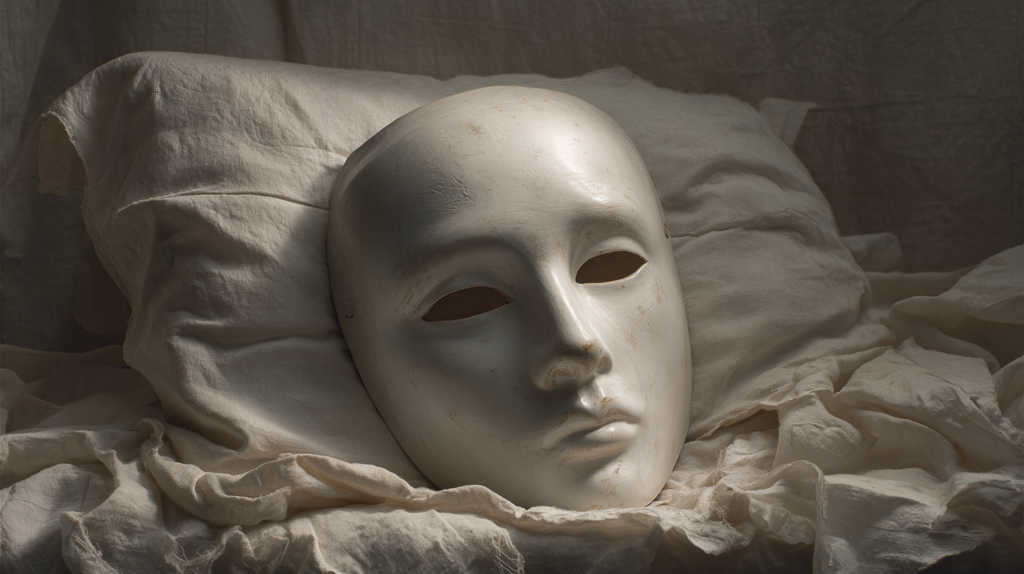
The Cost of Performing Rest
Modern systems have turned rest into something we perform rather than something that restores us. This essay explores why holidays often fail to renew people, how work and the holiday industry reinforce the problem, and what real restoration actually requires.
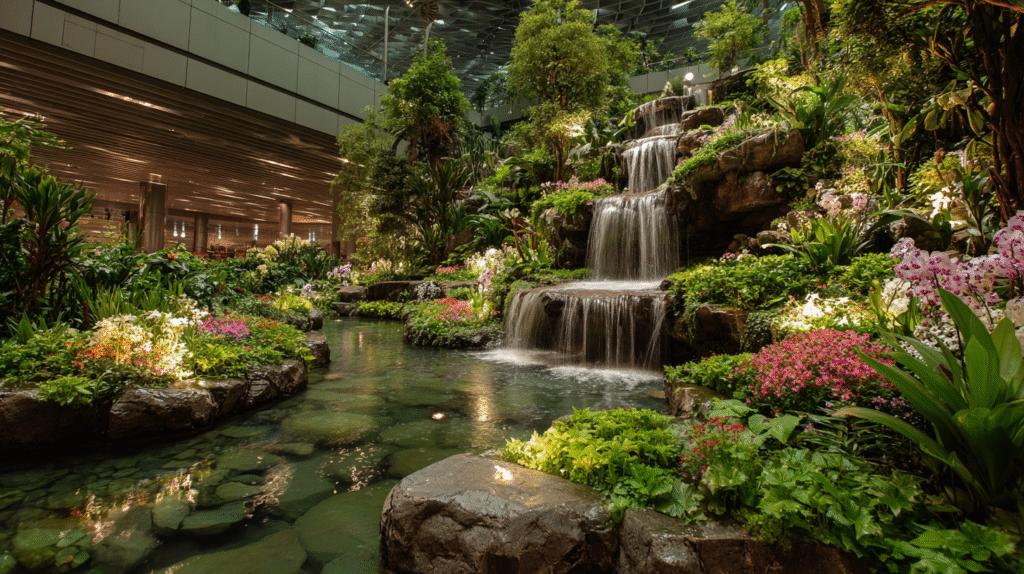
When You Can’t Leave: Designing for the Flight Reflex in Airports, Venues, and Hospitals
In high-stimulus public spaces, our bodies do more than react – they strategise.
Airports, hospitals, and stadiums all evoke subtle “Flight” responses: scanning, pacing, early exits.
Understanding how threat appraisal drives behaviour can help architects and planners design calmer spaces – and reveal why relaxation, not excitement, predicts dwell, spend, and satisfaction.