
psychology
The Hardest Story to Question Is Your Own
It is easy to accept that perception, memory and interpretation are imperfect in the abstract. The difficult part comes when a particular piece of evidence unsettles the account we have used for years to explain ourselves, another person or the course of our life.
The Characters in My Story
Our life stories contain other people, but we rarely possess their full story. We observe behaviour, infer motives and assign meaning. Over time, those interpretations can become so familiar that we forget which parts were witnessed and which parts were supplied by us.
The Person I Need to Be
We do more than remember what happened. We organise events into an account that explains who we are, how we became that person and what kind of person we expect ourselves to be next. Identity shapes memory, but memory also helps maintain identity.
Memory Is Not an Archive
Memory feels like retrieval, as though the past has been stored somewhere intact. It is closer to reconstruction. Each act of remembering draws on surviving fragments, later knowledge, emotion and the meaning an event has acquired since it happened.
The Unreliable Witness
We tend to think memory is where our account of an event becomes unreliable. But the process begins earlier. Attention is selective, perception is incomplete, and two people can experience the same event while noticing very different things.
The Version of You Other People Carry
Families do not always pass down facts. They pass down emotional maps. This essay explores how inherited stories become certainty, how certainty crowds out curiosity, and why maturity asks us to question the narratives we absorbed before understanding arrived.
The Silence That Gets Misread: Why Children Often Don’t Disclose Abuse
Delayed disclosure of child abuse is common and explainable. This article examines the evidence behind silence, timing, and why it is often misinterpreted.
The 4% Problem: Why Absurd Beliefs Don’t Disappear, They Scale
A persistent minority has always believed things that don’t align with shared reality. What’s changed is not the number, but the visibility. This article explores how identity and system design turn small distortions into movements that feel far larger than they are.
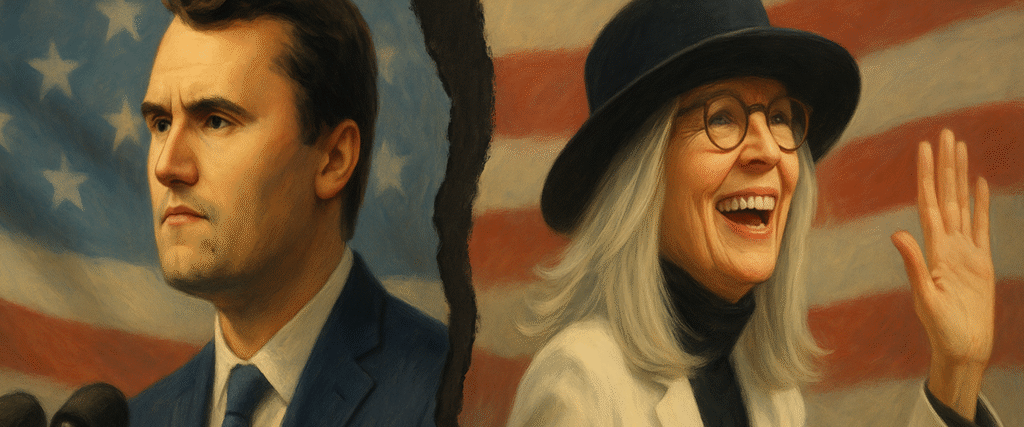
Two Kinds of Freedom: Charlie Kirk & Dianne Keaton
Pink asked, “If Charlie Kirk is Freedom, what is Dianne Keaton?” It wasn’t just a jab – it was a diagnosis. One man was honoured for defiance, one woman mourned for grace. Together they reveal how a culture’s definition of freedom has shifted from authenticity to spectacle.
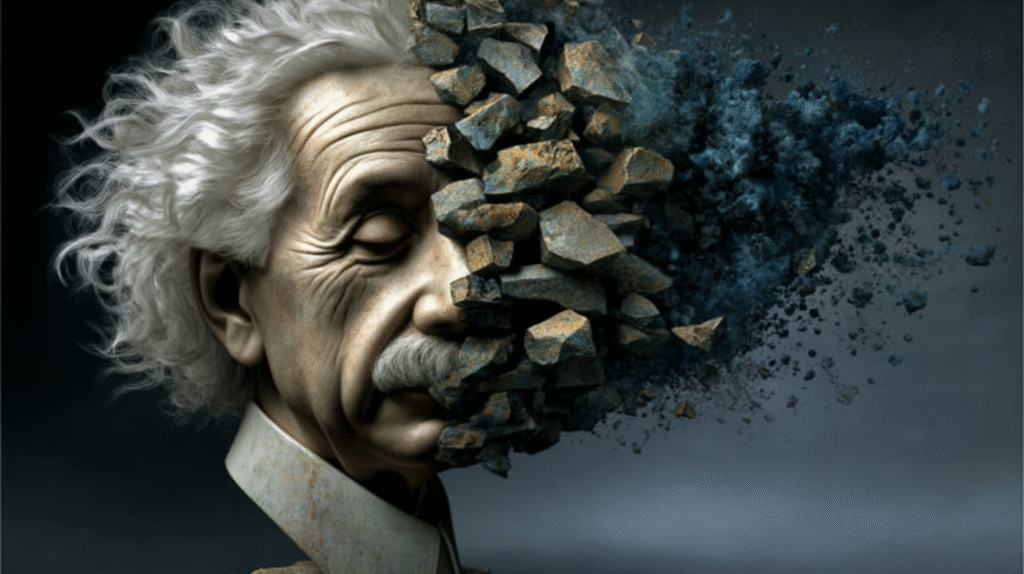
The Illusion of Genius: Why We Mistake Narcissism for Insight
Not everyone who sounds like a genius is one. Our cultural radar is tuned to confidence, not complexity—narcissism, not nuance. In this piece, I trace the myth of genius through history, psychology, and systems, and suggest a quieter, more connective intelligence that the world urgently needs.

The Reciprocity Effect: How Strategic Favors Create Powerful Relationships
That free cheese cube creates an invisible thread of obligation—the same primal mechanism that once ensured tribal survival now shapes your shopping cart.

The Intoxicating Dance of Love and Sex: A Cross-Disciplinary Analysis
Love’s neural pathways mirror addiction: viewing photos of one’s beloved activates brain circuits with an intensity comparable to cocaine use.

Transform Your Confidence with the Simple Superman Pose
Explore the science and psychology behind the Superman power pose. Discover how this simple stance can boost confidence and influence self-perception.

Unlocking the Secrets of the Amygdala: How This Small Brain Structure Shapes Our Emotions and Mental Health
Discover the crucial role of the amygdala in regulating emotions, memory, and mental health. Learn how therapies can retrain this brain structure to improve anxiety, PTSD, and more.
Choice isn't always a benefit
Its been known for a long time that too many choices can have a negative impact on sales. A study done at Columbia University in 2000 showed people confronted with 24 gourmet jam jars vs 6 showed that whilst the larger selection increased the likelihood of people stopping and looking, it reduced purchasing. In that […]
Mood literally affects vision
Research undertaken this year at the University of Toronto suggests that people’s moods impact literally on what they’re able to see. Published in the Journal of Neuroscience, the study indicated that people in a good mood took in more information when they look at something, whereas those in a bad mood are more likely to […]
The "outsider" on teams
According to a study published in the Personality & Social Psychology Bulleti, better decisions come from teams that include a “socially distinct newcomer” – which is psychology-speak for someone who is different enough to bump other team members out of their confort zones. OK I know this is going to sound like justification for including […]
Colour in airport retail design
Much has been written & researched about the psychology of colour and its application to retail environments. The general rule of thumb being to choose colours which support both the shopper experience & the psychological headspace you want to draw out in the consumer, then use them judiciously – by which I mean don’t splash […]
Sales & Travel Retail
Going on Sale is generally not an option with Travel Retail. Specials sure but not having a sale. Landlords will rarely let you do it because it downgrades the entire look of the airport or precinct. That however doesn’t mean the principle of Sales can’t be applied or don’t apply. See previous post on the […]
The Psychology of Sales & why they work
All women know that nothing beats a sale, and most men have had this fact clearly & regularly explained to them. But why do they work so well, even in the midst of an economic crisis? Emotional Investment – it takes time to go through the sale items to find what you want. You um […]
Wiping Out Memory Response To Fear Stimulus
Banishing a fear-inducing memory might be a matter of the right timing, according to new research. Marie Monfils, an assistant professor of psychology at The University of Texas at Austin, has taken advantage of a key time when memories are ripe for change to substantially modify memories of fear into benign memories and to keep […]
Touching an object can increase the desire to own it
Back in 2003 the Illinois state attorney general’s office warned that holiday shoppers should be cautious of retailers who encourage them to hold objects and imagine the objects as their own when shopping. Many people thought it was simply pop psychology but a new study by Joann Peck & Suzanne B Shu has shown some […]