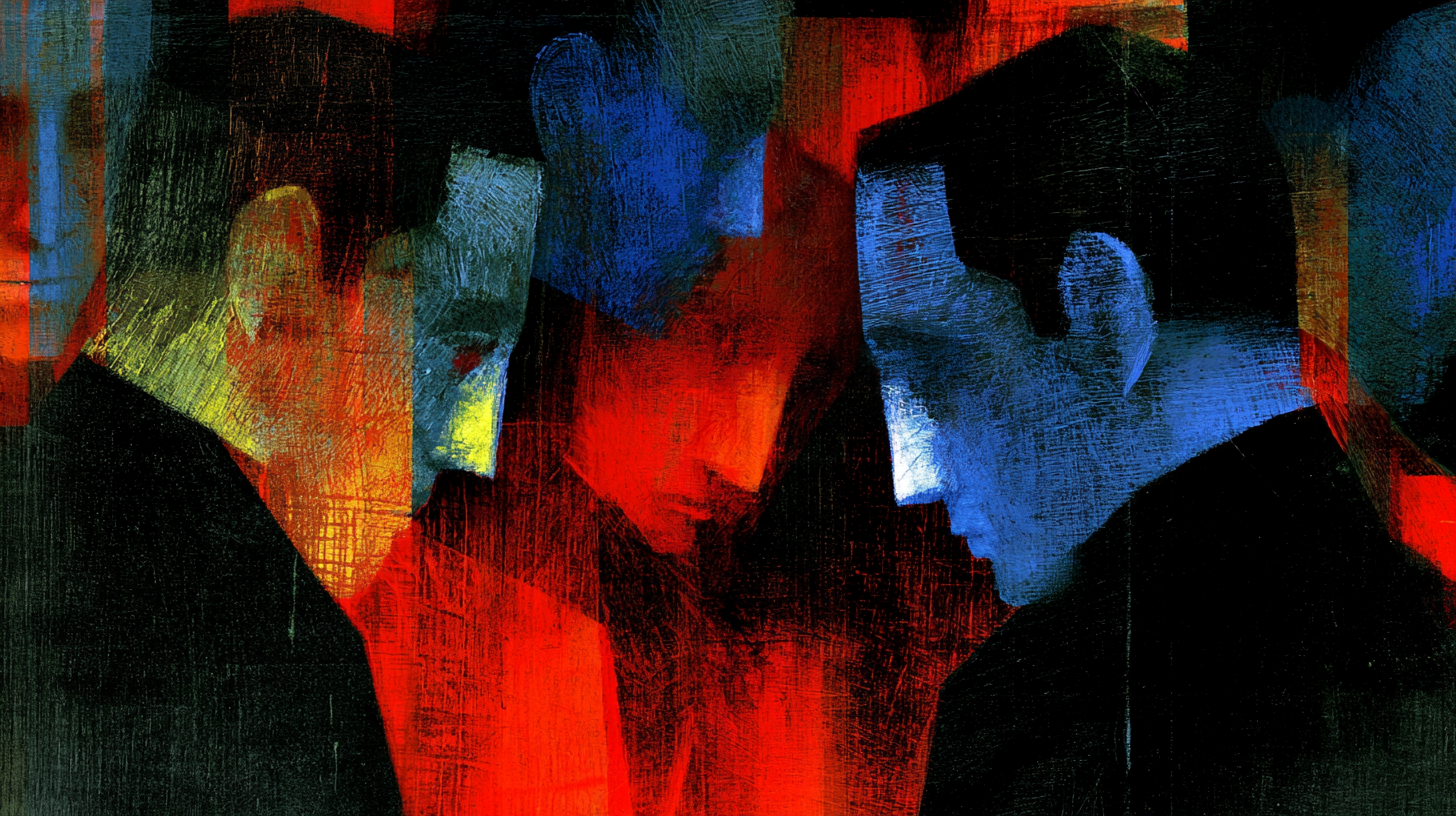
Pugs, with their emotive faces and quirky behaviours, serve as delightful mirrors to the vast universe of human non-verbal communication. They silently remind us that communication extends far beyond uttered words.
The Rich Tapestry of Silent Communication
Humans, by nature, are social creatures. Our survival and success have always depended on our ability to communicate. While words are powerful, non-verbal cues often carry more weight, subtlety, and nuance. They can affirm, contradict, or even amplify what we say. It's in the raised eyebrow of skepticism, the crossed arms of defense, or the leaning forward of genuine interest.
Pugs as Non-Verbal Professors
- The Tail Wag and The Nod:
Just as a pug uses its tail to express a range of emotions, humans use head movements to convey agreement, curiosity, or confusion. A slow nod might indicate understanding, while a rapid nod might display impatience or eagerness to contribute. - The Pug “Smile” and Human Facial Expressions:
Human faces possess an impressive range of emotion, from furrowed brows of concentration to wide eyes of surprise. Pugs, with their distinct "smiles," parallel our facial emotions. This comparison reminds us of how much can be communicated without uttering a single word, whether it's a human smirk of amusement or a pug's satisfied grin after a tasty treat. - Protective Postures: Curl and Cross:
When threatened or uncertain, a pug might curl up, shielding its vulnerable underbelly. Similarly, humans instinctively adopt protective stances in uncomfortable situations. Crossing arms or legs, avoiding eye contact, or turning one's body away are all signals of discomfort or defensiveness.
The Nuances of Human Non-Verbal Cues
In my journey of analysing human behaviour, I've observed the multifaceted layers of non-verbal communication. These cues provide a window into a person's true feelings or intentions, often revealing more than their words might suggest:
- Proximity and Orientation:
How close we stand to someone can indicate familiarity or dominance. Similarly, the direction our body or feet are pointing can reveal our true focus or interest. - Eye Behaviour:
Beyond the obvious expressions of happiness or anger, our eyes can dart in thought, widen in surprise, or avoid contact due to shyness or deception. - Touch:
The pat on the back among friends, a comforting hand on the shoulder, or the assertive handshake in business all convey different messages and intentions.
Why It Matters
Understanding non-verbal cues is crucial. It's not just about decoding emotions but also about building stronger connections, whether in personal relationships, business settings, or high-stake negotiations. Recognizing a person's discomfort or enthusiasm can shape the course of a conversation, allowing for empathy, understanding, and more effective communication.
Embracing the Dance of Silence
Both pugs and people participate in this silent dance of communication, a ballet of gestures, expressions, and postures. As we navigate our daily interactions, let's cherish and harness this unspoken language. After all, sometimes, the most profound conversations occur in the spaces between words.